Maldives Travel Tips: What You Need to Know Before You Go
When you think of the Maldives, a tropical island nation in the Indian Ocean known for overwater bungalows, crystal-clear waters, and coral reefs. Also known as the Maldivian Islands, it’s one of the most sought-after destinations for travelers seeking sun, sea, and silence. But here’s the truth: the Maldives isn’t just a postcard. It’s a place where budget travelers and luxury seekers have very different experiences—and knowing the difference saves you money, stress, and disappointment.
Most people assume the Maldives is only for high-end resorts, but that’s not the whole story. You can visit on a budget by staying on local islands like Maafushi or Thulusdhoo instead of private atoll resorts. These islands have guesthouses, local eateries, and public ferries that cut costs dramatically. You still get the same turquoise water, white sand, and vibrant marine life—just without the $1,000-a-night price tag. The Maldives islands, a chain of 1,200+ coral islands grouped into 26 atolls. Also known as the Maldivian archipelago, it’s a place where geography shapes everything—from how you get around to what you can eat. If you’re not flying directly to a resort, you’ll need to take a speedboat or ferry from Malé International Airport. Plan your transfer in advance. Some guesthouses arrange pickups; others don’t. Missing the last ferry means sleeping at the airport.
The best time to visit is between November and April, when the weather is dry and the seas are calm. That’s also peak season, so prices rise and resorts book out fast. If you want lower rates and fewer crowds, consider May to October—even though it’s the rainy season, showers are usually short and followed by sunshine. Many travelers don’t realize that the water stays warm year-round, so you can snorkel or dive anytime. Just pack reef-safe sunscreen. Coral reefs are fragile, and regular sunscreen kills them. Also, don’t forget a light rain jacket. The sun burns fast here, and sudden downpours are common even in dry months.
What you pack matters more than you think. You won’t need much—swimsuits, a hat, sunglasses, and flip-flops cover 90% of it. But bring a long-sleeve shirt for evenings; mosquitoes come out at dusk. And yes, you can wear shorts and tank tops on local islands, but avoid them in mosques or public areas. Modesty is expected, even if the beach is barefoot. Don’t assume the Maldives is all about beaches. Snorkeling with manta rays, kayaking through mangroves, and night fishing with locals are real experiences you won’t find on Instagram. And yes, the food is better than you expect—fresh fish curries, coconut rice, and mango smoothies cost less than $5 at local cafes.
There’s no single way to do the Maldives right. Whether you’re chasing luxury or local life, the key is planning ahead. Book your transfer. Choose your island wisely. Know when to go. And remember—this isn’t just a vacation. It’s a chance to see one of the most beautiful places on Earth before rising sea levels change it forever.
Below, you’ll find real advice from travelers who’ve been there—on budgets, on islands, and in the water. No fluff. Just what works.
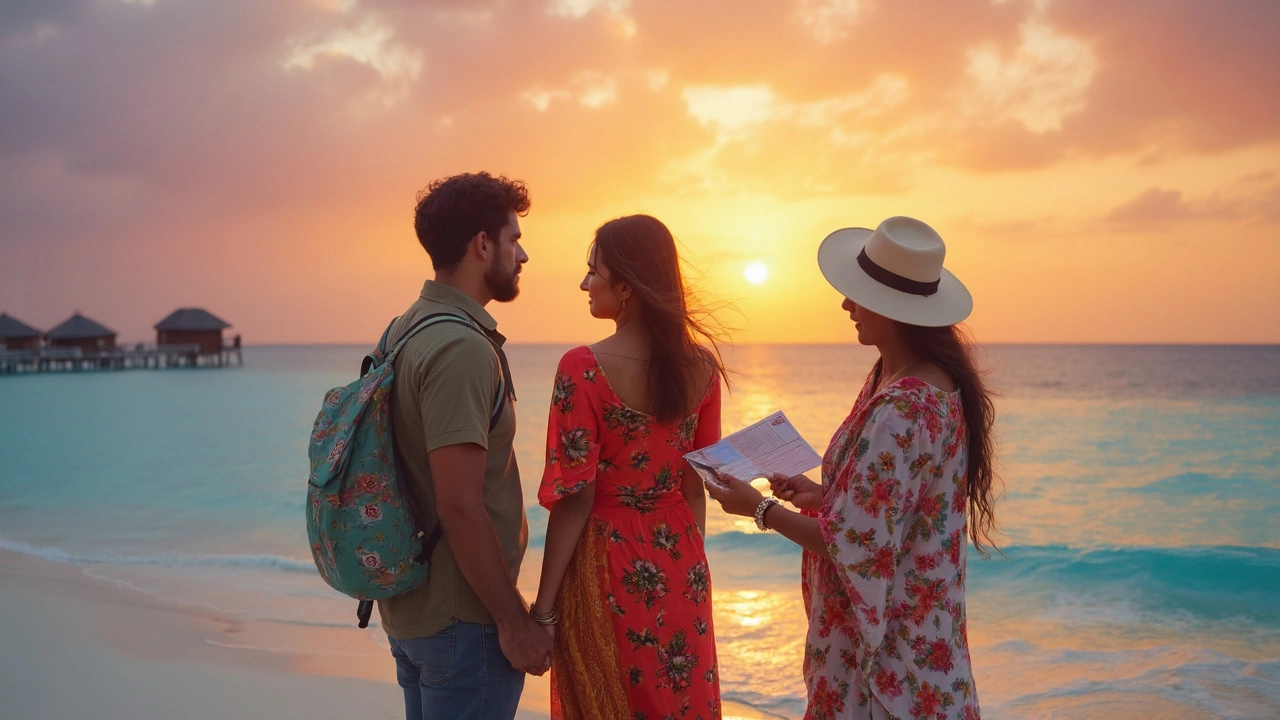
How Safe is Maldives for Indian Tourists?
Considering a beach getaway to the Maldives but worried about safety? We explore how safe the Maldives is for Indian tourists by looking at crime rates, local laws, health considerations, and more. Discover vital travel tips like emergency contacts and etiquette. This guide is packed with practical advice to help you enjoy your Maldivian holiday with peace of mind.