Khangchendzonga National Park: India's Highest Sacred Wilderness
When you think of India’s mountains, you might picture the Himalayas—but Khangchendzonga National Park, a UNESCO World Heritage Site in Sikkim that protects the world’s third-highest peak and a sacred landscape revered by local communities. Also known as Kanchenjunga, this park isn’t just a place to hike—it’s a living spiritual zone where nature and faith are woven together. Unlike other national parks that focus only on wildlife or scenery, Khangchendzonga holds deep meaning for the Sikkimese people, who believe the mountain is home to a protective deity. This isn’t just conservation—it’s cultural preservation.
The park covers over 850 square kilometers and includes glaciers, alpine meadows, and dense forests that shelter snow leopards, red pandas, and over 500 species of flowering plants. It’s one of the few places on Earth where you can trek from subtropical valleys up to permanent snowfields in just a few days. The main peak, Mount Khangchendzonga, stands at 8,586 meters, making it the highest point in India and the third highest in the world. But most visitors don’t climb it—instead, they hike trails like the Goecha La route, which offers jaw-dropping views of the mountain without needing technical climbing skills. The park is also a key stop on the ancient trade and pilgrimage paths between Tibet and India, adding layers of history to every step you take.
What makes Khangchendzonga different from other trekking destinations is its quiet reverence. You won’t find crowds here like in Manali or Rishikesh. Locals still offer prayers at stone cairns and prayer flags flutter above remote villages like Yuksom and Dzongri. The park’s UNESCO status isn’t just for its biodiversity—it’s because the landscape is treated as a sacred entity, not a resource. This means rules are strict: no loud music, no littering, no climbing the main peak without special permission. It’s not a theme park. It’s a temple of the mountains.
If you’ve read about the hardest hikes in India, you’ve probably seen Kailash Mansarovar mentioned. But for those who want a high-altitude trek that’s challenging yet culturally rich, Khangchendzonga delivers something deeper. You’ll carry your own water, sleep in basic lodges, and wake up to silence broken only by wind and distant bells. This isn’t just a trip—it’s a shift in how you see nature. And that’s why the posts below cover everything from trekking routes and best seasons to local customs and how to respect this sacred space. Whether you’re planning your first Himalayan trek or looking for a spiritual escape, what you’ll find here isn’t just travel advice—it’s a guide to moving through the mountains the right way.
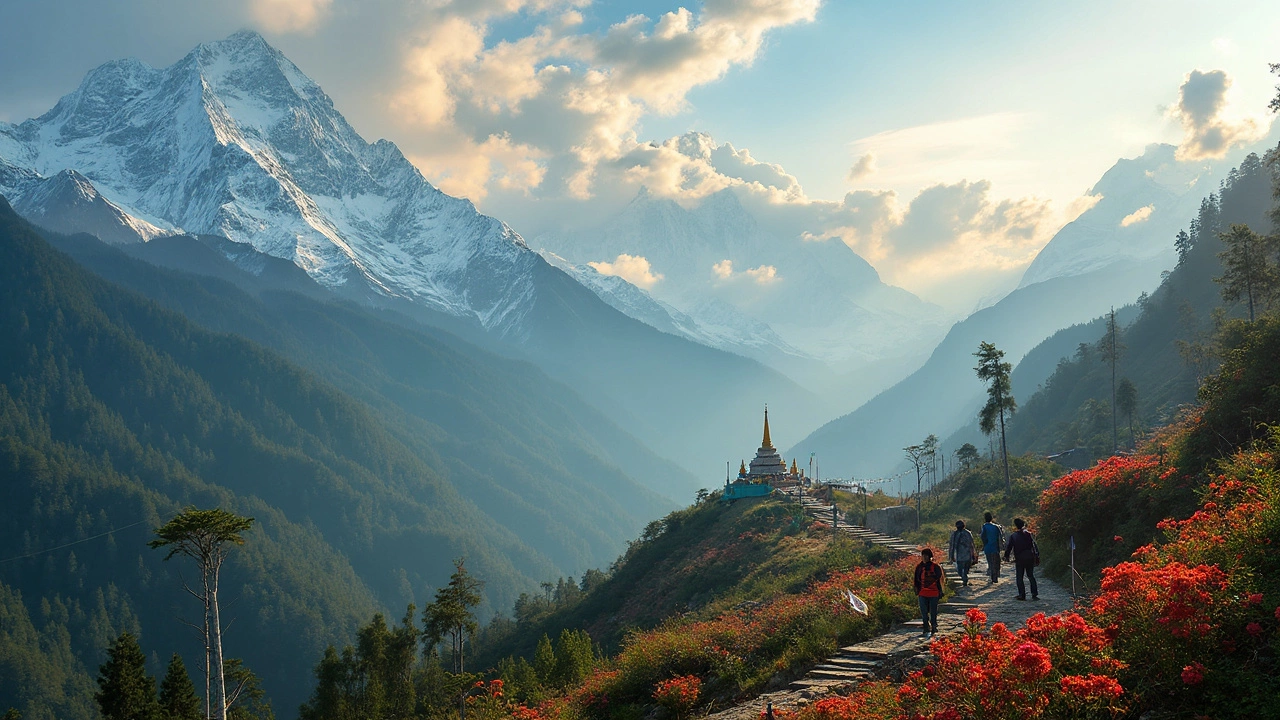
Mixed World Heritage Sites in India: Which Place Holds This Unique Status?
India has only one site recognized as a 'mixed' World Heritage Site by UNESCO, combining both natural beauty and rich cultural significance. This article dives into what makes a World Heritage Site 'mixed,' and shines a light on Khangchendzonga National Park in Sikkim. Expect practical tips for visiting, cool facts most people miss, and a look at why no other site in India has pulled off this rare double honour. Get ready to see how nature, folklore, and local communities all share the spotlight in this Himalayan wonder.