Kerala Weather Risks: What You Need to Know Before You Go
When people think of Kerala, a lush, coastal state in southern India known for its backwaters, spice plantations, and serene beaches. Also known as God's Own Country, it's a top destination for travelers seeking calm and natural beauty. But behind the postcard views lies a real weather challenge: the monsoon, a seasonal rain pattern that brings heavy downpours, flooding, and landslides across southern India. If you're planning a trip, ignoring these risks can turn a dream vacation into a stressful ordeal.
The monsoon season, typically running from June to September in Kerala isn’t just about rain—it’s about intensity. In July and August, some areas get over 300 millimeters of rain in a single week. Roads vanish under water, buses stop running, and even well-known tourist spots like Munnar and Wayanad become hard to reach. Landslides are common in hill stations, and backwater houseboats often get canceled due to unsafe conditions. The humidity stays above 90%, making even short walks exhausting. And while the greenery looks magical after rain, it’s also when mosquitoes thrive—raising risks for dengue and chikungunya.
Travelers who come in October or November might think the danger is over, but the retreating monsoon, a second, less predictable rain period that hits Kerala from October to early December can still catch you off guard. Many tourists plan around the peak summer heat and assume fall is safe—until they’re stuck in a hotel for three days because the roads are washed out. Even in December, sudden storms can delay flights from Kochi or Trivandrum. The best time to visit for stable weather is from November to February, when skies are clear, humidity drops, and the temperature stays mild.
It’s not just about when you go—it’s about where. Coastal areas like Kovalam and Alappuzha flood more easily than inland towns. If you’re planning a houseboat cruise, check with operators ahead of time. Some shut down entirely during heavy rain. Hiking trails in Eravikulam National Park or the Western Ghats close without warning. Even temple visits in Thrissur or Kochi can be disrupted if drainage systems overflow. You can’t control the weather, but you can plan around it.
What you’ll find in the posts below are real traveler stories, practical tips, and hard-won advice from people who’ve been caught in Kerala’s sudden storms. From packing lists that actually work in humidity to which months to avoid—and why some locals say November is the sweet spot—you’ll get the kind of details you won’t find in glossy brochures. No fluff. No sugarcoating. Just what you need to know before you book your ticket.
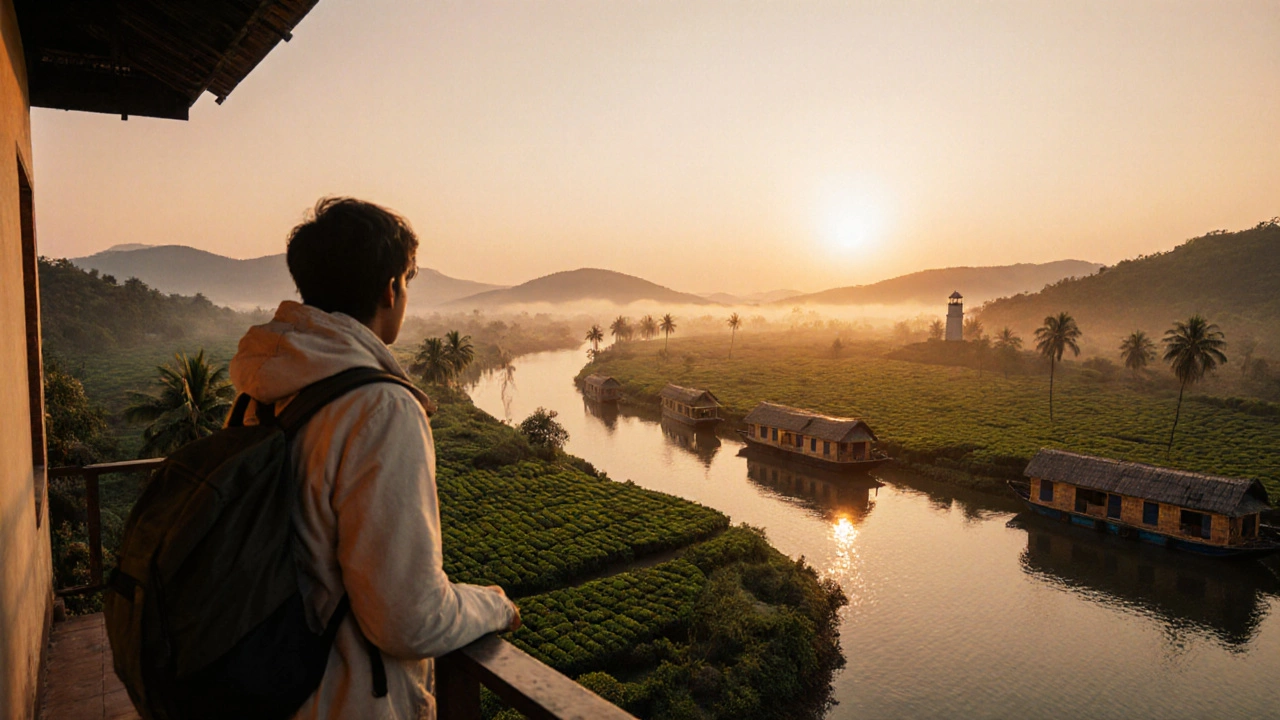
Kerala Safety Guide 2025: Is It Safe to Travel Now?
Explore Kerala's safety status in 2025 with up‑to‑date health data, travel advisories, weather risks and practical tips for a worry‑free trip.