Kerala Travel Advisory 2025: What You Need to Know Before You Go
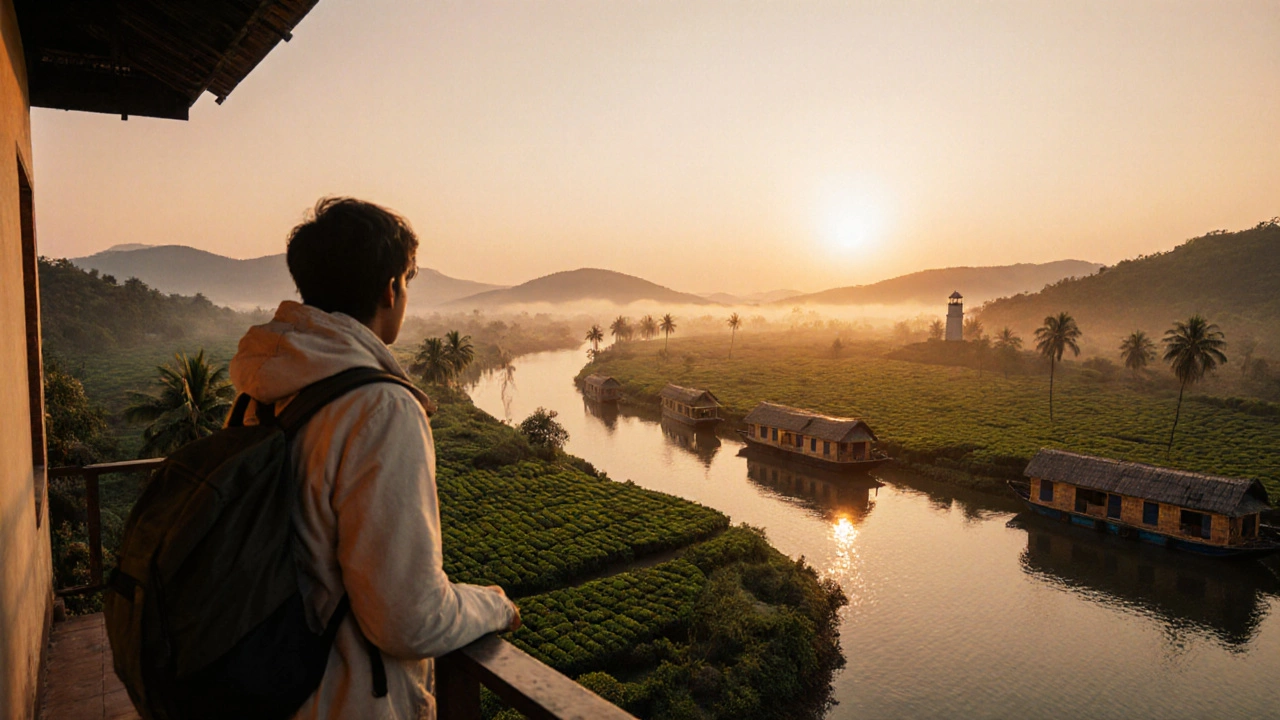
When you think of Kerala, a southern Indian state known for its lush backwaters, ayurvedic wellness, and tropical coastline. Also known as God's Own Country, it draws travelers for its calm rivers, spice plantations, and slow-paced life. But planning a trip there in 2025 isn’t just about picking a resort—it’s about understanding the season, the crowds, and the local rhythm. This isn’t a generic guide. This is what actually happens on the ground.
Monsoon season in Kerala runs from June to September, and if you’re not ready for it, you’ll be stuck indoors watching rain pour down your window. But here’s the twist: the monsoon isn’t just a nuisance—it’s when the backwaters glow green, the air smells like wet earth and cardamom, and hotels drop prices by half. Locals call it the "green season," and many return visitors plan around it. If you want fewer tourists and more authenticity, this is your window. Just pack waterproof gear and know that some boat tours might pause during heavy downpours.
Then there’s the crowd factor. During December to February, Kerala fills up with international travelers and Indian families looking for warm weather. Popular spots like Alleppey, Kovalam, and Munnar get packed. You’ll find better deals and quieter streets if you go in April or October—right before or after peak season. Don’t assume all of Kerala is the same. The hill stations like Wayanad are cool and misty, while the coastal towns like Kozhikode are hot and humid. Your experience changes depending on where you land.
Security isn’t a big concern in Kerala. It’s one of India’s safest states for solo travelers, families, and LGBTQ+ visitors. Police stations near tourist areas are used to helping foreigners, and locals are generally helpful. But petty theft happens—especially in crowded markets or on buses. Keep your valuables tucked away, and never leave your bag unattended on a boat. Also, avoid drinking tap water. Bottled water is cheap and widely available.
Transportation is simple but needs planning. Trains run reliably between major cities like Kochi, Thiruvananthapuram, and Kozhikode. For the backwaters, houseboats are the highlight—but book directly with a local operator, not a third-party site. Many "luxury" houseboats online are outdated. Ask for photos of the actual boat, not the brochure. Local auto-rickshaws are cheap, but always agree on a price before you ride. And if you’re renting a scooter, wear a helmet. The roads are narrow, and the traffic doesn’t care who you are.
Food is another layer. Kerala’s cuisine is rich with coconut, tamarind, and seafood. If you’re used to North Indian food, it’ll feel different—lighter, tangier, and less creamy. Try appam with stew, fish curry with rice, or banana fritters from a street cart. Avoid raw salads unless you’re sure they’re washed in filtered water. Stick to places where locals eat—busy stalls mean fresh food and high turnover.
There’s also the cultural side. Kerala has a strong tradition of temple rituals, Kathakali dance, and matrilineal family systems. If you visit a temple, dress modestly—no shorts or sleeveless tops. Shoes come off before entry. In some places, non-Hindus aren’t allowed inside the inner sanctum. Don’t assume it’s the same everywhere. Ask first. It’s not about rules—it’s about respect.
And if you’re thinking about trekking or wildlife, remember that Periyar National Park and Silent Valley need advance permits. You can’t just show up and hike. Book through registered tour operators. The forests are protected, and unauthorized entry risks fines or worse.
What you’ll find below are real stories from travelers who’ve been there—not just what the brochures say. You’ll see what works, what doesn’t, and how to avoid the traps that turn a dream trip into a headache. Whether you’re chasing quiet backwaters, spicy food, or mountain trails, the advice here is grounded in what actually happens on the ground in 2025.
Kerala Safety Guide 2025: Is It Safe to Travel Now?
Explore Kerala's safety status in 2025 with up‑to‑date health data, travel advisories, weather risks and practical tips for a worry‑free trip.