Kerala Safety Travel: What You Need to Know Before You Go
When people ask if Kerala, a lush, coastal state in southern India known for its backwaters, Ayurveda, and friendly locals. Also known as God's Own Country, it's one of the most welcoming places for tourists in India. is safe to visit, the answer is simple: yes—especially compared to other parts of the country. But safety isn’t just about crime rates. It’s about knowing how to move through crowded markets, what to eat, how to handle transport, and where to stay. Kerala doesn’t just have low crime—it has a culture of hospitality that makes solo travelers, families, and older visitors feel at ease. Women traveling alone report feeling safer here than in many other Indian states, and the local police often go out of their way to help tourists. That doesn’t mean you can relax completely. Smart travel still matters.
One of the biggest concerns travelers have is food safety. In Kerala, street food is everywhere—from banana leaf meals in Kochi to coconut-based snacks by the beach. The key? Stick to busy stalls where food is cooked fresh and hot. Avoid raw salads and unpeeled fruit unless you’re sure it’s washed in purified water. Most homestays and restaurants use filtered water for cooking, and bottled water is cheap and widely available. Another common worry is transportation. Kerala’s roads are well-maintained, and local buses are clean and reliable. For longer trips, pre-booked cabs or app-based rides like Ola and Uber are common and safe. If you’re renting a scooter, wear a helmet—accidents happen, not because of bad drivers, but because people underestimate the traffic. And don’t let the calm of the backwaters fool you: always confirm boat operators have life jackets and proper licenses before boarding.
What makes Kerala stand out isn’t just its safety—it’s how well it’s built for tourists. From the temple towns of Trivandrum to the tea hills of Munnar, you’ll find clear signage in English, English-speaking staff at hotels, and medical clinics in every major town. Many travelers say Kerala feels like the most "foreigner-friendly" part of India. That doesn’t mean you won’t get stared at—you will. But it’s curiosity, not hostility. And if you’re worried about scams, remember this: if someone offers to be your "friend" or "guide" right after you step off the train, walk away. Real guides work through registered agencies. The best experiences come from quiet recommendations: a hotel owner suggesting a hidden waterfall, a tea shop owner inviting you to try a new blend. Those moments are what make Kerala special—and safe.
When you look at the posts below, you’ll see real stories from people who’ve traveled through Kerala’s backwaters, climbed its hills, stayed in homestays, and eaten their way through its markets. You’ll find advice on the best months to go, how to avoid tourist traps, and what to pack for humidity and sudden rain. You’ll also see how Kerala fits into the bigger picture of South India travel—where trains are your best friend, and slow travel isn’t just a trend, it’s the only way to really feel the place. This isn’t a list of rules. It’s a guide to moving through Kerala with confidence, curiosity, and respect.
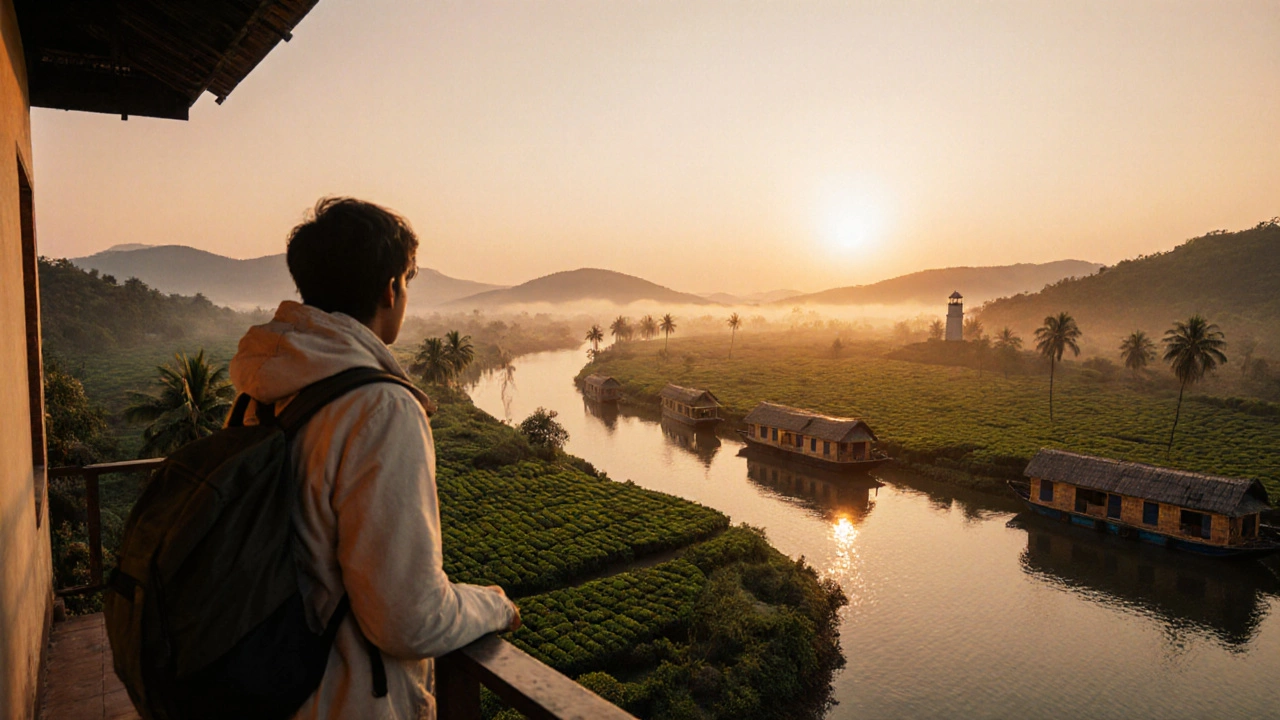
Kerala Safety Guide 2025: Is It Safe to Travel Now?
Explore Kerala's safety status in 2025 with up‑to‑date health data, travel advisories, weather risks and practical tips for a worry‑free trip.