Kailash Mansarovar Trek: What You Need to Know Before You Go
When you hear Kailash Mansarovar trek, a sacred pilgrimage route in the Himalayas that circles Mount Kailash and visits Lake Mansarovar, revered in Hinduism, Buddhism, Jainism, and Bon. Also known as Kailash Parikrama, it's not just a hike—it’s a spiritual crossing that draws pilgrims from across the world. This isn’t your average mountain trail. It’s a 52-kilometer circuit at altitudes over 5,000 meters, where thin air, unpredictable weather, and deep faith shape every step.
Mount Kailash itself is no ordinary peak. In Hindu belief, it’s the abode of Lord Shiva. Buddhists see it as the center of the universe. For Jains, it’s where their first teacher attained liberation. And for followers of Bon, it’s the soul of the earth. Lake Mansarovar, a freshwater lake at 4,590 meters, considered one of the purest bodies of water on Earth and a key stop on the pilgrimage. Pilgrims bathe in its waters, believing it cleanses sins. Together, they form a single journey—one that’s as much about inner transformation as it is about physical endurance.
Most people start the trek from Darchen, a small village near the base of Kailash. The route is rough—rocky, steep, and exposed. You’ll cross the Dolma La Pass at 5,630 meters, where altitude sickness is real and common. No technical climbing is needed, but you need to be in good shape. Many travelers combine the trek with a visit to the nearby Tibetan Buddhist monasteries, ancient centers of worship and meditation that line the route and offer rest, tea, and spiritual guidance. Permits are required, and access is controlled through China, so planning ahead is non-negotiable. You can’t just show up.
What makes this trek different from others in India? It’s the silence. No music. No crowds. Just wind, prayer flags, and the rhythm of footsteps. People walk for days, sometimes prostrating every few steps. You’ll meet Nepali porters, Indian sadhus, Tibetan monks, and Western seekers—all carrying their own reasons. This isn’t a photo op. It’s a test. Of stamina. Of belief. Of letting go.
There’s no single best time to go, but most choose late spring or early autumn when the weather is stable. Winter is too harsh. Monsoon season brings landslides. And even in the best months, snow can fall at any moment. Pack layers. Bring oxygen if you’re prone to altitude issues. And don’t underestimate the mental side—this trek breaks people who think they’re ready.
Below, you’ll find real stories and practical advice from those who’ve walked this path. From how to get permits to what to pack, from dealing with altitude to understanding the rituals you’ll see along the way. These aren’t generic travel tips—they’re hard-won lessons from people who made the journey and came back changed.
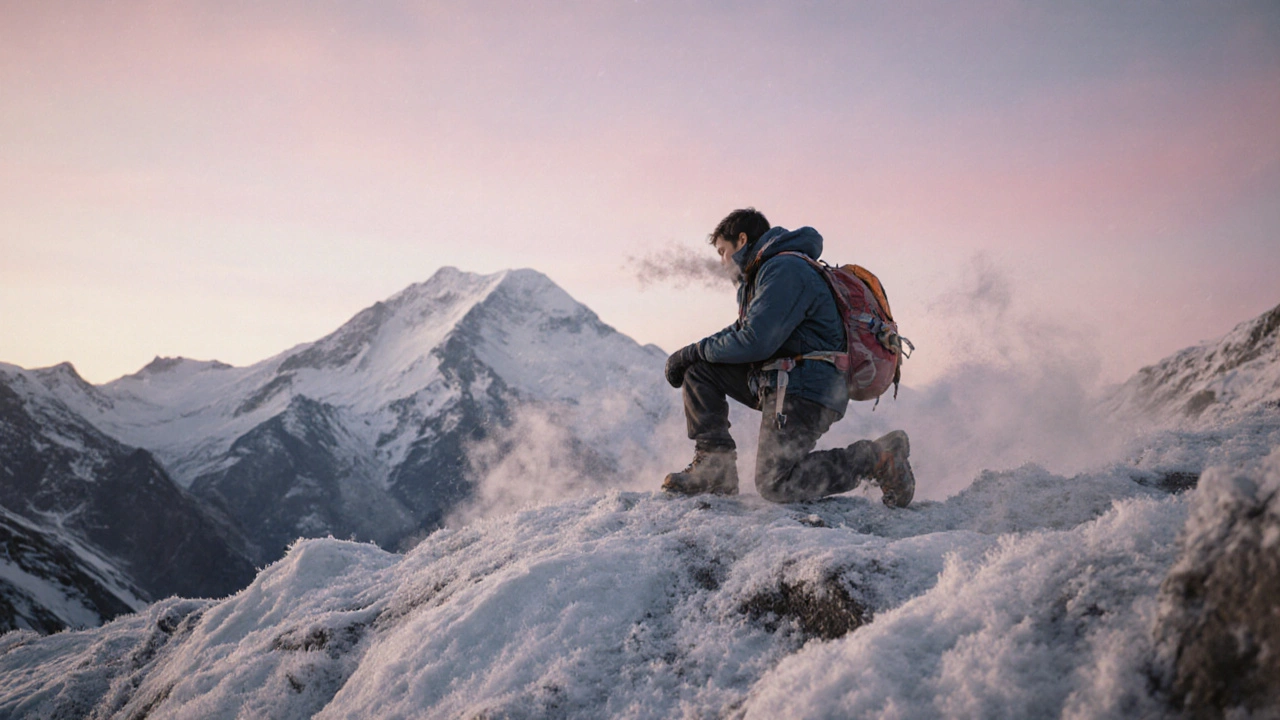
What Is the Hardest Place to Hike in India?
The Kailash Mansarovar trek is widely considered the hardest hike in India due to extreme altitude, isolation, and harsh weather. Learn why this pilgrimage challenges even the most experienced trekkers-and who should attempt it.