Indian Street Food for Americans: What to Try and How to Eat It
When Americans think of Indian food, they often picture curries in restaurants—but the real magic happens on the street. Indian street food, a vibrant, affordable, and deeply regional collection of snacks and meals sold by vendors across cities and towns. Also known as chaat, it’s not just food—it’s culture served on a banana leaf, in a paper cone, or wrapped in a warm paratha. This isn’t the same as what you’ll find in a hotel buffet. It’s spicy, crunchy, tangy, sweet, and sometimes messy. And yes, it’s completely safe—if you know what to look for.
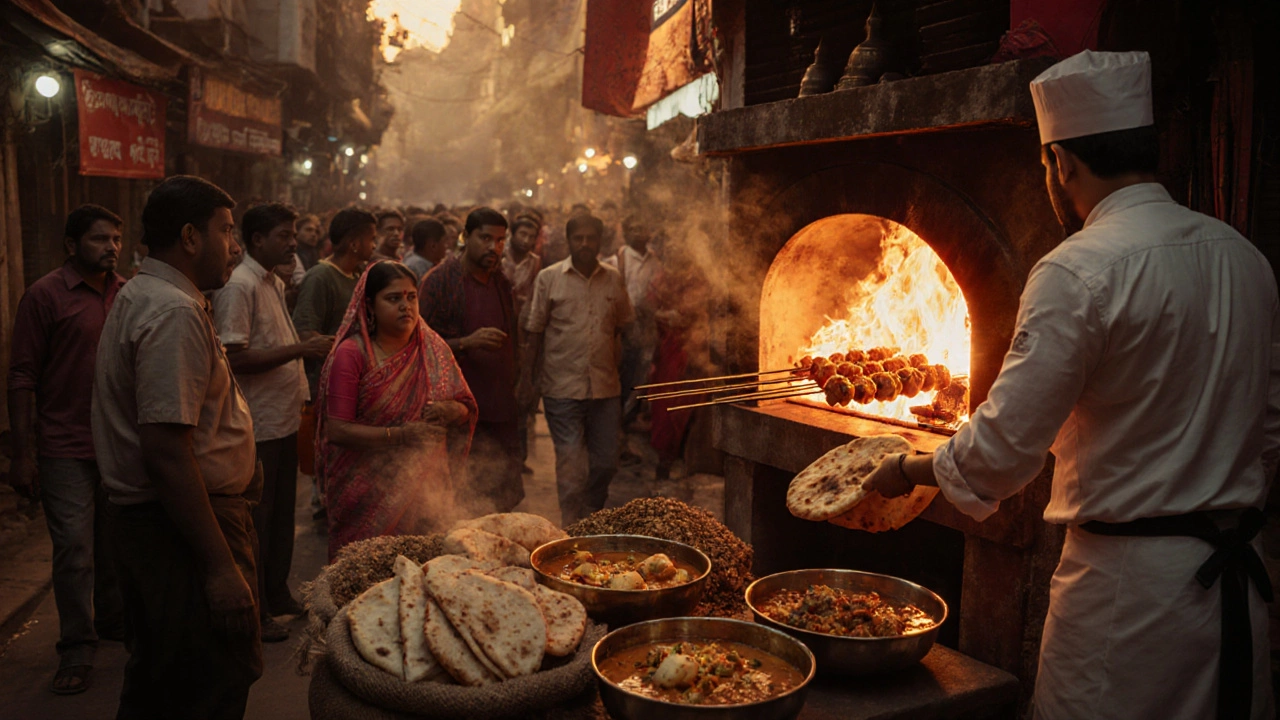
Many Americans worry about food safety, but the truth is, most street vendors in India cook food fresh, hot, and in front of you. Look for busy stalls—long lines mean high turnover and fresh ingredients. Skip anything sitting out for hours. Stick to fried snacks like pani puri, tiny hollow balls filled with spicy tamarind water, potato, and chickpeas, or samosas, crispy fried pastries stuffed with spiced potatoes and peas. Both are fried on demand, served hot, and eaten immediately. Try vada pav, a Mumbai classic: a deep-fried lentil fritter tucked into a soft bread roll with chutneys. It’s India’s answer to a burger—and just as addictive.
Don’t be afraid of chutneys. Green chili chutney might burn your tongue, but it’s also the secret to the best flavors. Start mild. Ask for "less spicy"—"thoda kam mirch"—and you’ll be treated like family. Drink bottled water only. Avoid ice unless you’re sure it’s made from purified water. And if you’re unsure about a dish, watch what locals are eating. They know what’s good and safe.
Indian street food varies wildly by region. In Delhi, you’ll find kebabs and jalebis. In Mumbai, it’s pav bhaji and sev puri. In Chennai, it’s idli with coconut chutney. In Kolkata, you’ll find ghugni and kathi rolls. Each bite tells a story. This isn’t just about hunger—it’s about connection. You’re not just eating food. You’re tasting centuries of tradition, trade, and daily life.
For Americans new to India, street food is the fastest way to feel at home. It’s cheap, fast, and full of personality. You don’t need to be an adventurous eater to enjoy it—you just need to be curious. The next time you’re in India, skip the fancy restaurant. Find a corner stall with a crowd. Point. Smile. Eat. You’ll remember that bite longer than any five-star meal.
Below, you’ll find real stories, tips, and firsthand experiences from travelers who started out nervous—and ended up obsessed with Indian street food. Whether you’re planning your first trip or just wondering what to try next, these posts will guide you through the sizzle, the spice, and the soul of India’s streets.
What Can Americans Eat in India? A Practical Guide to Safe and Delicious Food in North India
Americans visiting North India can enjoy bold, flavorful food safely by choosing cooked-hot dishes like tandoori chicken, dal, and naan, avoiding raw produce and tap water, and sticking to busy street stalls with high turnover.