Indian religions: Discover the living faiths that shape India's soul
When you think of Indian religions, the diverse spiritual traditions rooted in the Indian subcontinent for thousands of years. Also known as Dharmic religions, they aren’t confined to temples or scriptures—they’re in the morning chants by the Ganges, the scent of incense in a Sikh gurdwara, and the silent meditations of Jain monks. This isn’t a museum exhibit. These faiths move, breathe, and feed millions every day.
Hinduism, the world’s oldest living religion, with over a billion followers isn’t one single system—it’s a thousand local practices. From the towering gopurams of Tamil Nadu to the floating lamps in Varanasi, it’s lived in rituals you can’t book on a tour. Then there’s Sikhism, a faith born in Punjab that rejects caste and welcomes all, where the langar—free meals served to anyone, rich or poor—isn’t charity, it’s devotion. Buddhism, which began in India before spreading across Asia still thrives in Ladakh and Sarnath, where monks walk barefoot in the snow and pilgrims circle ancient stupas. And Jainism, a quiet force focused on non-violence and extreme mindfulness, shapes how food is prepared, markets operate, and even how cities plan their streets to protect insects.
These aren’t just histories. They’re living systems that guide how people eat, dress, travel, and work. You’ll find them in the temple etiquette guides, the quiet humility of pilgrims at Tirupati, the way a Sikh volunteer serves food before sunrise, and the way a Jain shopkeeper avoids harming even the smallest life. The posts below aren’t about abstract theology—they’re about real places, real people, and real choices shaped by these faiths. Whether you’re standing in front of the Golden Temple, trekking toward Kailash, or just wondering why shoes come off before entering a shrine, you’re touching something deeper than tourism. This is the heartbeat of India—and it’s still beating strong.
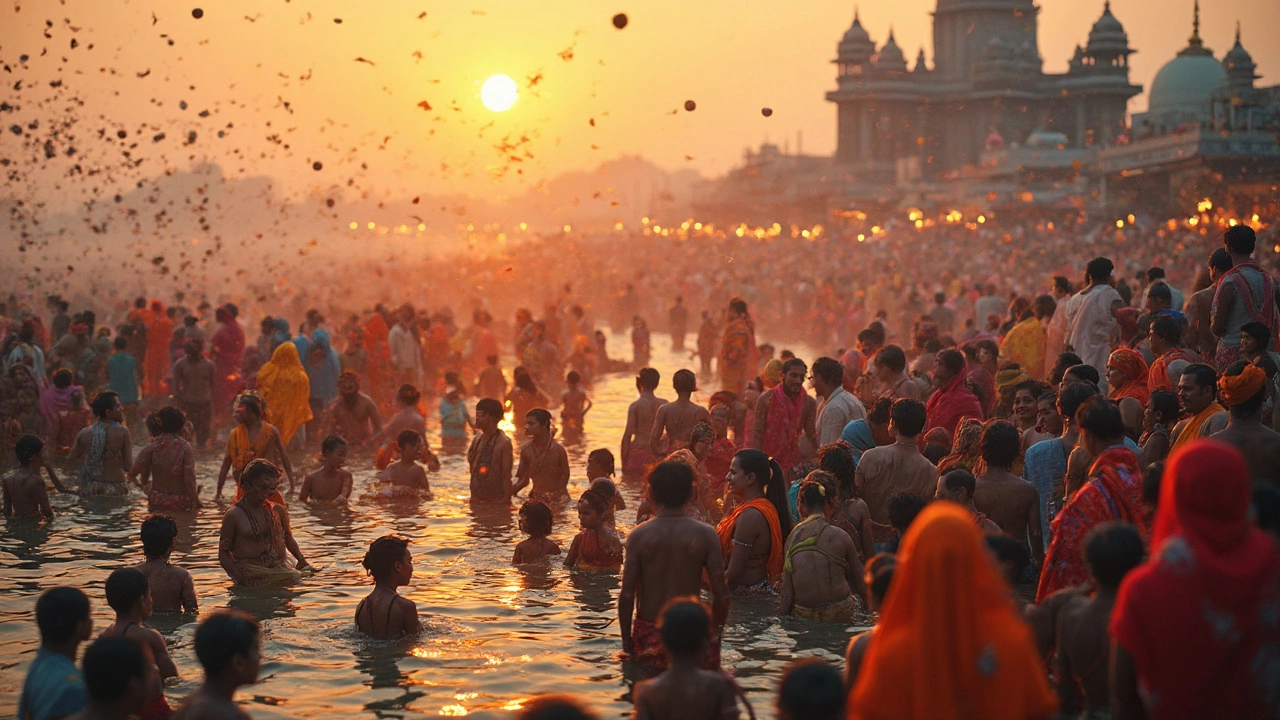
Understanding Religion in India: A Cultural Exploration
India is a mosaic of religions, offering a vibrant tapestry of spiritual traditions that captivate travelers. From ancient Hindu practices to the serene teachings of Buddhism, and from the colorful festivals of Sikhism to the soulful Sufi music in Islamic communities, India presents a rich spiritual landscape. Travelers can explore the architectural grandeur of temples and mosques while participating in community rituals. Understanding the religious diversity in India enhances cultural tourism and offers a profound travel experience.