Indian Food Diversity: Explore the Real Flavors Across India
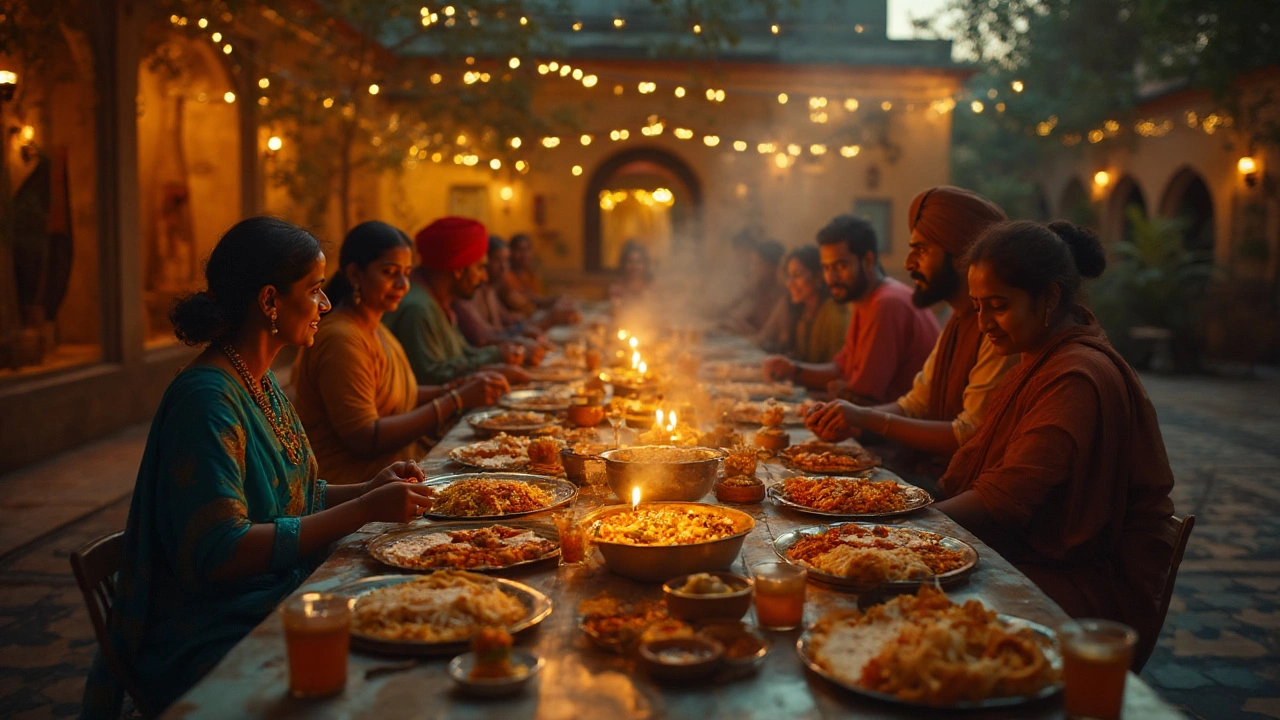
When you think of Indian food diversity, the wide range of regional cuisines, ingredients, and cooking styles across India’s 28 states. Also known as regional Indian cuisine, it’s not one dish—it’s hundreds, each shaped by land, language, and generations of tradition. This isn’t just about spice levels or vegetarian vs. non-vegetarian. It’s about how a coastal village in Kerala uses coconut and tamarind to make fish curry, while a hill town in Himachal makes dense, warming lentil stews with dried apricots and mustard oil. In the north, tandoor ovens turn dough into fluffy naan and charred chicken; in the south, fermented rice batter becomes dosa, crisp and light as paper. The same ingredient—like turmeric or cumin—plays different roles depending on where you are.
Indian spices, the aromatic seeds, roots, and pods that define regional flavors. Also known as masalas, it’s not just a mix—it’s a language. In Bengal, mustard oil and panch phoron (a five-spice blend) give dishes a sharp, earthy bite. In Gujarat, jaggery and dried mango powder balance heat with sweet-sour notes. In the northeast, fermented bamboo shoots and akhuni add deep umami you won’t find anywhere else. These aren’t imported trends—they’re homegrown, passed down by grandmothers who never measured a pinch but knew exactly when to add it. And then there’s street food India, the vibrant, fast-moving world of snacks sold by roadside stalls and carts. Also known as chaat, it’s where you’ll find crispy pani puri bursting with tamarind water, spicy samosas wrapped in flaky pastry, and sev puri topped with yogurt and chutneys. These aren’t tourist traps—they’re daily rituals, eaten by office workers, students, and families alike, often for under ₹20. You won’t find this kind of variety in any other country. The same word—roti—means flatbread in Punjab, but in Maharashtra, it’s a thicker, chewier version called bhakri made from millet. In Tamil Nadu, rice is ground into batter and steamed into idli; in Rajasthan, it’s roasted into papad. Every state has its own rice, its own lentil, its own way of frying, fermenting, or drying food to survive the seasons.
What you’ll find in these posts isn’t a list of top 10 dishes. It’s the real stories behind the food: why Americans eat tandoori chicken safely in North India, how South India’s backwaters shape its seafood, and how temple towns like Varanasi have their own rules for what’s served to pilgrims. You’ll see how a single spice like asafoetida turns up in everything from Gujarati dals to Bengali fish curries, and why some dishes are only made during monsoon or Diwali. This isn’t about fancy restaurants. It’s about the auntie who sells masala chai at 6 a.m., the fisherman who dries his catch on the beach, the farmer who grows red rice in the hills. These are the people keeping Indian food diversity alive—and you’ll find their stories right here.
What Is India’s National Dish? Official Answer, Top Contenders, and Where to Try Them
Does India have a national dish? Short answer: no. Get the official stance, top contenders like biryani and dosa, and smart ways to taste India’s food culture.