India Trip Tips: Essential Advice for Smarter Travel Across India
Planning an India trip, a journey through one of the world’s most diverse and complex countries. Also known as travel in India, it’s not just about checking off temples and beaches—it’s about understanding how to move through the country with confidence, respect, and ease. Whether you’re flying into Delhi for the first time or hopping trains in Kerala, your success hinges on a few simple, practical rules. Forget generic advice like "be careful" or "try everything." Real India trip tips come from knowing where to eat, when to travel, how to dress, and which places actually welcome tourists without overwhelming them.
One major thing travelers overlook is travel safety in India, a topic often clouded by fear but grounded in common sense. The safest places—like Jaipur, Rishikesh, and parts of South India—have well-worn tourist paths, clear signage, and locals used to foreign visitors. Avoid isolated areas at night, stick to busy street stalls with high turnover, and always carry bottled water. You don’t need a guide for every step, but you do need to know where to look for signs of reliability: clean kitchens, packed restaurants, and polite but firm service. Another key budget travel in India, a reality for most visitors who want to stretch their dollars isn’t about sleeping on floors—it’s about timing. Visit between October and March for better weather and lower prices. Avoid festival seasons like Diwali or Holi unless you’re ready for crowds and tripled rates. A dollar goes far here—$1 buys you a hot meal, a rickshaw ride, or a handmade souvenir—but only if you know where to spend it.
Then there’s culture. India doesn’t have one way of doing things. What works in Varanasi won’t fly in Goa. Before entering a temple, remove your shoes. Don’t wear leather in sacred spaces. Dress modestly, even in beach towns. These aren’t rules to annoy you—they’re signs of respect that open doors. And when it comes to food, Americans and other Western travelers often panic over street food. The truth? Cooked-hot food is safe. Tandoori chicken, dal, roti, and steamed rice? Perfect. Raw salads and tap water? Skip them. Stick to places where the food is made fresh in front of you and the customers are mostly locals.
Transportation is another game-changer. Trains aren’t just cheap—they’re the heartbeat of Indian travel. Book ahead on IRCTC, pick AC classes for comfort, and don’t fear the long rides. In South India, local drivers with fixed rates beat Uber for authenticity. And if you’re hiking? Start with Kuari Pass, not Kailash. Save the extreme treks for later. The real magic of an India trip isn’t in the big names—it’s in the quiet moments: a chai break on a train platform, the smell of incense in a temple courtyard, the way a stranger smiles when you say "thank you" in Hindi.
What you’ll find below isn’t a list of random tips. It’s a collection of real, tested advice from people who’ve been there—whether it’s choosing the best airport for Goa beaches, understanding what $1 really buys, or knowing which temples draw the biggest crowds. These aren’t guesses. They’re lessons learned on the ground. Use them to plan smarter, travel lighter, and experience India the way it’s meant to be seen—not as a checklist, but as a living, breathing journey.
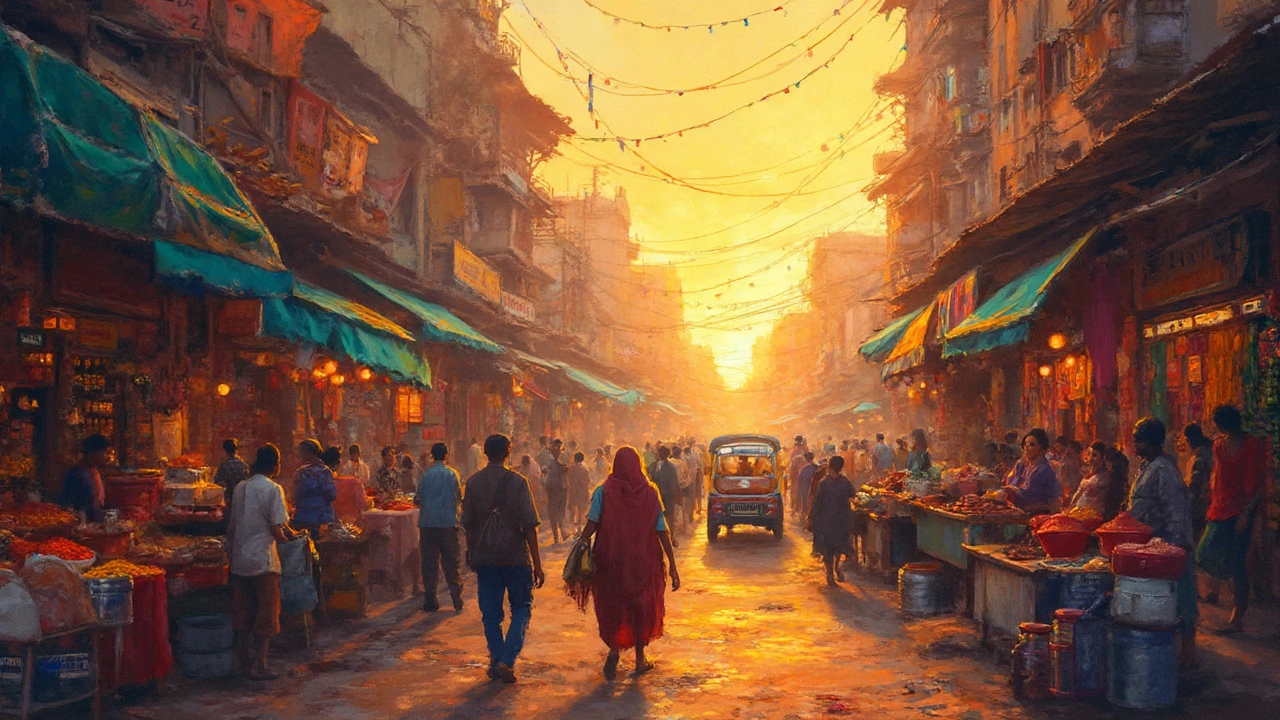
Is India Expensive to Visit? Real Costs, Tips & Facts for Travelers
Curious if India is expensive to visit? Here’s what you’ll really spend, plus tips for saving and busting travel myths, based on real numbers and first-hand stories.