India Trekking: Best Trails, Beginner Routes, and Hardiest Hikes
When you think of India trekking, the act of hiking through India’s mountainous regions, from the Himalayas to the Western Ghats, often for multi-day adventures. Also known as mountain trekking in India, it’s not just about walking—it’s about crossing remote valleys, sleeping under star-filled skies, and meeting locals who’ve lived these trails for generations. Whether you’re a first-timer looking for a gentle climb or an experienced hiker chasing the world’s toughest routes, India’s terrain has something real to offer.
Not all treks are created equal. Kuari Pass, a scenic, well-marked trail in Uttarakhand perfect for first-time trekkers with no prior experience gives you panoramic views of Nanda Devi without the risk of altitude sickness. On the other end, Kailash Mansarovar, a grueling pilgrimage route in Tibet, accessible via India, that pushes even seasoned hikers to their limits with extreme cold, thin air, and no cell service is the ultimate challenge. Then there’s Manali, the trekking hub of India with over 50 marked trails, from day hikes to week-long expeditions, where you can find routes that match your fitness level, whether you want a quiet forest walk or a steep ridge scramble.
What makes India trekking different isn’t just the mountains—it’s the culture along the way. You’ll pass through villages where people still carry firewood on their backs, stop at small tea stalls run by families who’ve served trekkers for decades, and see prayer flags fluttering over passes that have been crossed for centuries. You don’t need fancy gear. You just need good shoes, a water bottle, and the willingness to go slow.
Some of the most popular treks—like Roopkund and Indrahar Pass—are mentioned in multiple posts because they’re reliable, well-documented, and offer something unique: Roopkund for its mysterious skeletons, Indrahar Pass for its wildflower meadows. Others, like Nanda Devi Base Camp, are for those who’ve already conquered the basics and want more. The best part? You don’t need to book a guided tour to do most of these. Many trails are free to access, and local guides are easy to find in towns like Joshimath or Manali.
Timing matters. You can’t trek in the Himalayas during monsoon—paths turn to mud, landslides happen, and visibility drops to zero. The sweet spot is April to June and September to November. That’s when the air is clear, the trails are dry, and the temperatures are just right. Skip the winter unless you’re trained for snow and ice.
And if you’re wondering where to start? Pick Kuari Pass. It’s the most recommended beginner trek for a reason. No permits, no crowds, no technical climbing. Just you, the mountains, and a trail that feels like it was made for you. Once you’ve done that, you’ll know exactly what kind of trekker you are—and where you want to go next.
Below, you’ll find real stories from people who’ve walked these trails—their mistakes, their best moments, and the tips they wish they’d known before they left. Whether you’re planning your first hike or your tenth, there’s something here that’ll help you get there safely, smartly, and with your eyes wide open.
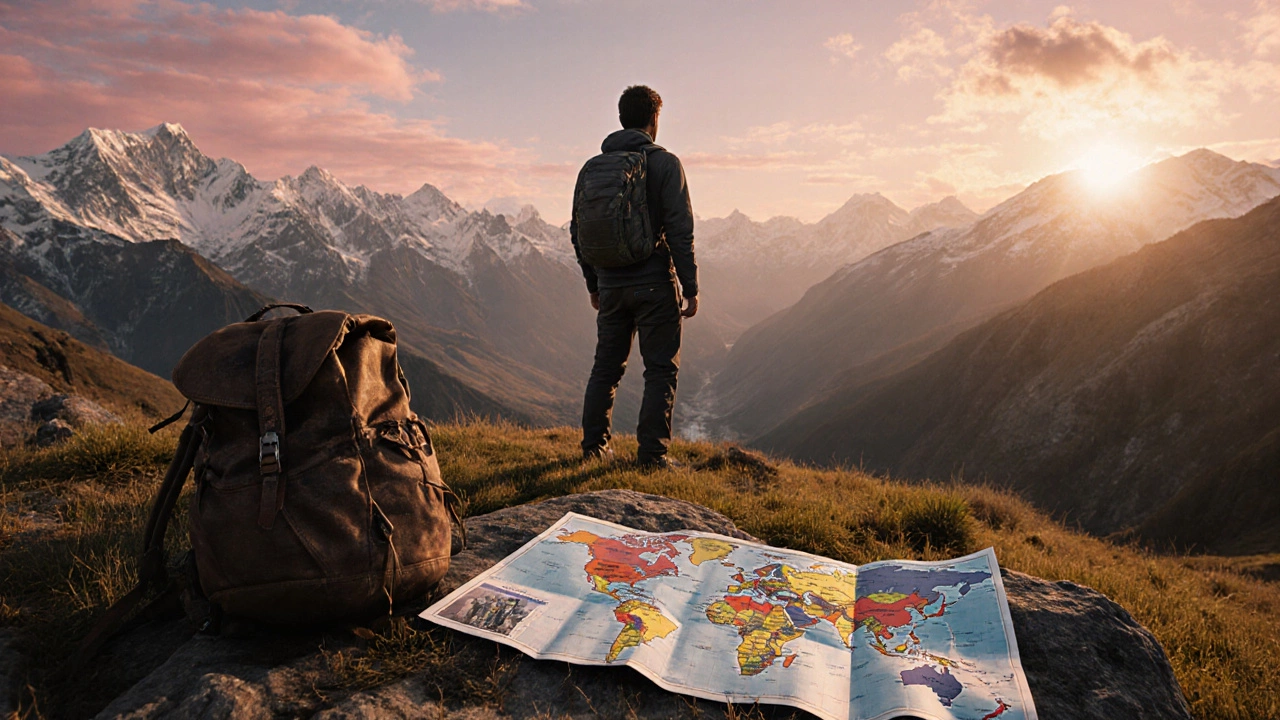
Top Trekking Countries: Which Nation Offers the Best Trails?
Discover the top trekking countries, compare key routes, and learn why India ranks high for unforgettable hikes. Get safety tips, season guides, and a planning checklist.