India Travel Cost: How Much Does It Really Cost to Travel Across India?
When people ask about India travel cost, the total amount of money needed to explore India’s cities, temples, mountains, and beaches, they’re usually wondering if it’s possible to do it on a tight budget. The answer? Absolutely. You can travel across India for as little as $25 a day and still eat well, sleep comfortably, and ride local trains. This isn’t a myth—it’s what thousands of backpackers, digital nomads, and families do every year. What you spend depends on where you go, how you move, and what kind of experience you want, not on how rich you are.
Budget travel India, planning a trip with clear spending limits while still experiencing authentic culture means knowing where your money goes. A plate of dal-chawal at a local eatery costs under $1. A night in a clean guesthouse in Varanasi or Mysore runs $8–$15. A train ticket from Delhi to Agra? Around $10 for a second-class seat. Even a private taxi for a full day in Rajasthan won’t break $40 if you negotiate. The real cost creep comes from luxury hotels, guided tours, and tourist traps in places like Goa or Udaipur. Skip those, and your India trip expenses, the actual out-of-pocket costs for food, transport, lodging, and entry fees during a journey stay low.
What about getting around? Trains are the backbone of Indian travel—not just cheap, but an experience. A 12-hour overnight journey in AC 3-tier costs less than $20. Buses are even cheaper, but slower. For short hops, auto-rickshaws charge $1–$3 in most cities. And if you’re trekking? Many trails like Kuari Pass or Dayara Bugyal require no entry fee at all. The only places where costs spike are adventure sports—paragliding in Manali or scuba diving in the Andamans—but even those can be found for under $50 if you shop locally.
Accommodation is where people overestimate. You don’t need a 5-star resort to feel safe or comfortable. Basic rooms with fans, clean beds, and hot water are everywhere. Even in tourist hotspots, you’ll find family-run homestays for under $15. And if you’re traveling solo? Hostels in Delhi and Jaipur offer dorm beds for under $5. The only thing you shouldn’t cut corners on is water—stick to bottled or filtered. That’s one expense you can’t skip.
Food is where India surprises you. A street-side momo or dosa costs less than a coffee in New York. A full meal at a mid-range restaurant? $5–$8. And if you’re eating where locals eat—busy stalls, temple courtyards, railway platforms—you’ll get the best food at the lowest price. Don’t assume expensive means better. The most flavorful thali you’ll ever taste is probably from a vendor with no sign.
There’s no single number for India travel cost because it’s not a fixed price—it’s a choice. You can spend $100 a day and live like royalty, or $25 and live like a local. The difference isn’t in the sights you see—it’s in how you move through them. The temples, the mountains, the backwaters, the festivals—they don’t charge extra for wonder. You just need to know where to look.
Below, you’ll find real stories from travelers who made India work on tight budgets, broke down costs by region, and learned what truly matters when you’re on the road. Whether you’re planning your first trip or your tenth, these guides will help you spend smarter—not harder.
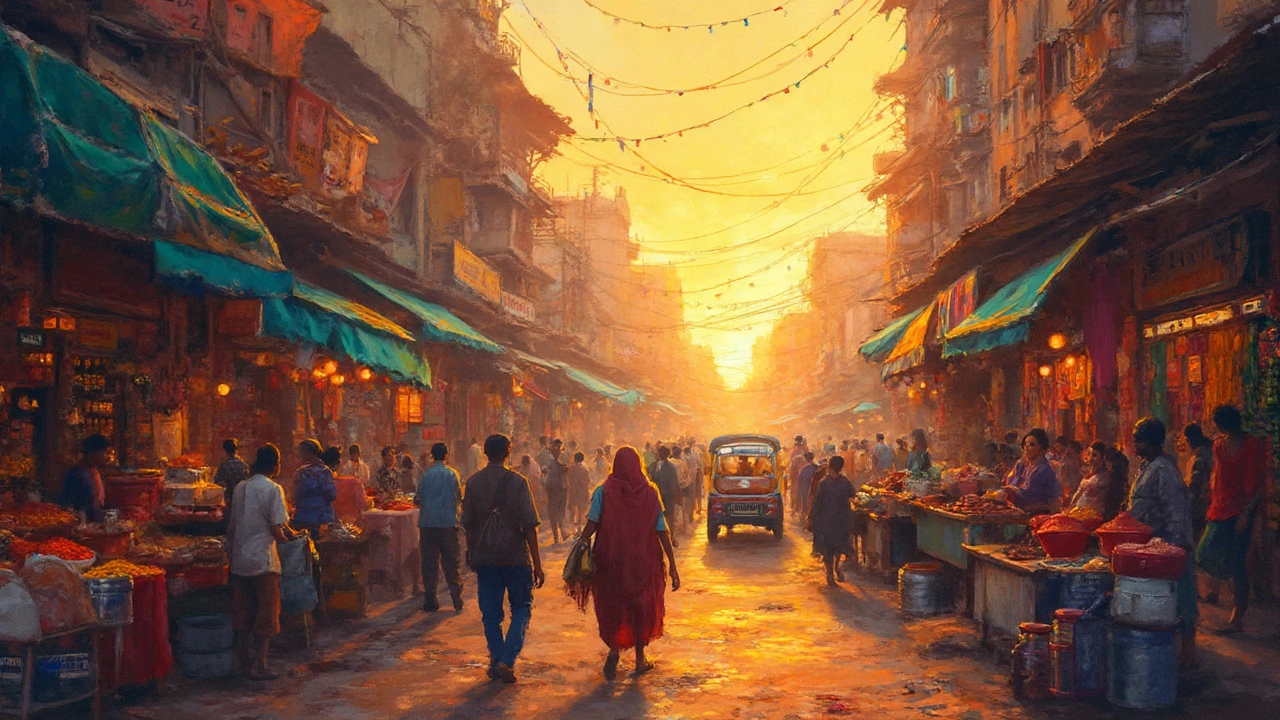
Is India Expensive to Visit? Real Costs, Tips & Facts for Travelers
Curious if India is expensive to visit? Here’s what you’ll really spend, plus tips for saving and busting travel myths, based on real numbers and first-hand stories.