India Safety: What You Need to Know Before You Go
When it comes to India safety, the reality is simpler than the fear: most visitors have safe, smooth trips when they follow basic, common-sense rules. Also known as travel safety in India, it’s not about avoiding the country—it’s about moving through it with awareness. You don’t need to lock yourself in a hotel. You just need to know where the crowds are, where the food is fresh, and which areas have reliable infrastructure.
North India tourism is where most travelers start—and for good reason. Cities like Delhi, Agra, Jaipur, and Rishikesh have well-marked routes, English-speaking staff, and police posts near major sites. These aren’t just popular spots—they’re the safest. Tourists here report fewer issues with scams, pickpocketing, or harassment than in less-traveled regions. Solo travel India is totally doable here, especially if you stick to main roads, use registered transport, and avoid walking alone late at night. Women travelers often feel comfortable in these areas, thanks to family-run guesthouses, women-only train coaches, and local guides who know how to handle foreign visitors respectfully.
Food safety is a big concern for Americans and Europeans, but it’s easier than you think. Stick to food that’s cooked hot and served steaming. Tandoori chicken, dal, roti, and boiled eggs? Safe. Raw salads, unpeeled fruit, and tap water? Skip them. Busy street stalls with long lines are usually the safest—high turnover means fresh ingredients. India travel safety isn’t about avoiding street food—it’s about choosing wisely. You’ll find locals eating the same things you are. The difference? They know which stalls have been there for years.
Don’t let stories of scams scare you. Most are minor—overpriced rickshaw rides, fake guides offering "free" tours. The fix? Always agree on a price before you move. Use Google Maps to check distances. If someone says "this temple is free," ask for a receipt or head to the official gate. If a shopkeeper follows you, just say no and keep walking. No need to be rude. Just be clear.
Public transport is safe and cheap. Trains are the best way to move between cities. Book AC sleeper class for comfort and security. Buses in South India are reliable too. Avoid unmarked taxis. Use apps like Ola or Uber when you can. In rural areas, hire a driver through your hotel—they’re vetted, known, and usually speak English.
India isn’t perfect. Some places have poor lighting, crowded markets, or inconsistent policing. But those aren’t reasons to skip the country—they’re reasons to be smart. The safest travelers aren’t the ones who never leave their hotel. They’re the ones who ask questions, trust their gut, and stay flexible.
What you’ll find below are real, tested tips from people who’ve walked the streets of Varanasi at dawn, trekked to Kuari Pass in the rain, and eaten spicy chaat in Delhi without a single stomach ache. These aren’t theories. They’re lived experiences. Whether you’re planning your first trip or your tenth, the advice here will help you move through India with confidence—not fear.
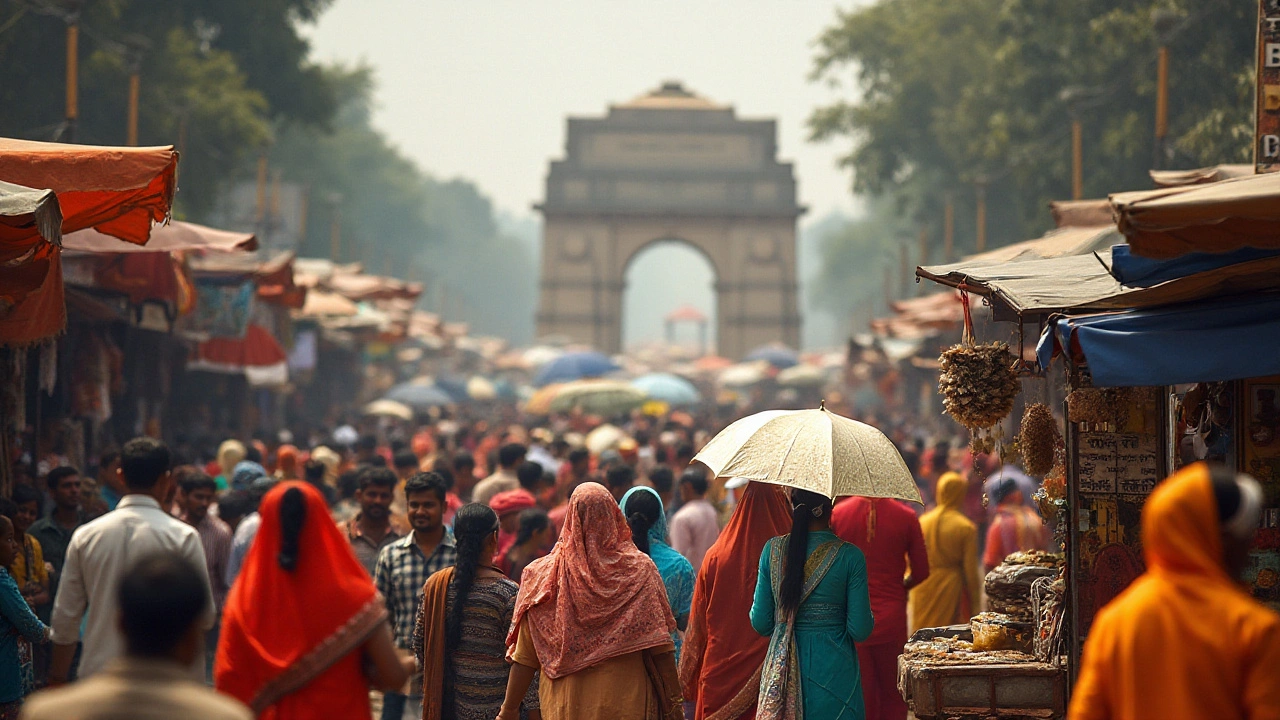
Exploring Safety: North vs. South India Travel
The safety of travelers in India often sparks debates, especially between the diverse regions of North and South India. Each region presents unique challenges and advantages from bustling urban areas to serene landscapes. Understanding the cultural dynamics, regional differences, and safety statistics can greatly impact travel experiences. By uncovering practical tips and interesting facts, travelers can make informed decisions for their journeys.