India Conservation: Protecting Heritage, Wildlife, and Traditions
When we talk about India conservation, the collective effort to protect India’s natural ecosystems, cultural landmarks, and living traditions from erosion and exploitation. Also known as heritage preservation in India, it’s not just about national parks and tiger reserves—it’s about keeping temple carvings intact, stopping river pollution in the Ganges, and ensuring that weaving techniques from Assam or block printing from Rajasthan don’t vanish with the last master artisan. This isn’t a government-only job. Every traveler who chooses a homestay over a chain hotel, who skips plastic bottles, or who buys directly from a local craft cooperative is part of it.
Heritage sites India, ancient structures and sacred spaces that hold centuries of spiritual, artistic, and social meaning. Also known as cultural heritage landmarks, it includes everything from the Ajanta Caves to the stepwells of Gujarat. These aren’t static museums—they’re alive with rituals, daily prayers, and community events. But too many are crumbling under foot traffic, poor maintenance, or careless tourism. Conservation here means respecting dress codes, not climbing on carvings, and supporting sites that reinvest entry fees into upkeep. Meanwhile, wildlife conservation India, the fight to protect species like the Bengal tiger, Indian rhino, and snow leopard from poaching and habitat loss. Also known as eco-protection in India, it’s tied directly to community-led efforts in places like Corbett and Kaziranga, where locals are paid to guard forests instead of logging them. You can’t have conservation without local buy-in—and that’s where responsible travel comes in.
What you’ll find below isn’t a list of places to visit—it’s a collection of stories showing how travel can be part of the solution. From how temple tourism funds restoration in Varanasi, to how trekking in the Himalayas helps fund anti-poaching patrols, to how choosing a slow train over a flight reduces pressure on fragile ecosystems. These aren’t idealistic dreams. They’re real, happening right now, and they’re powered by travelers who care enough to ask: How can I help? The next time you plan a trip to India, remember: the most beautiful thing you can take home isn’t a souvenir—it’s knowing you helped keep it alive.
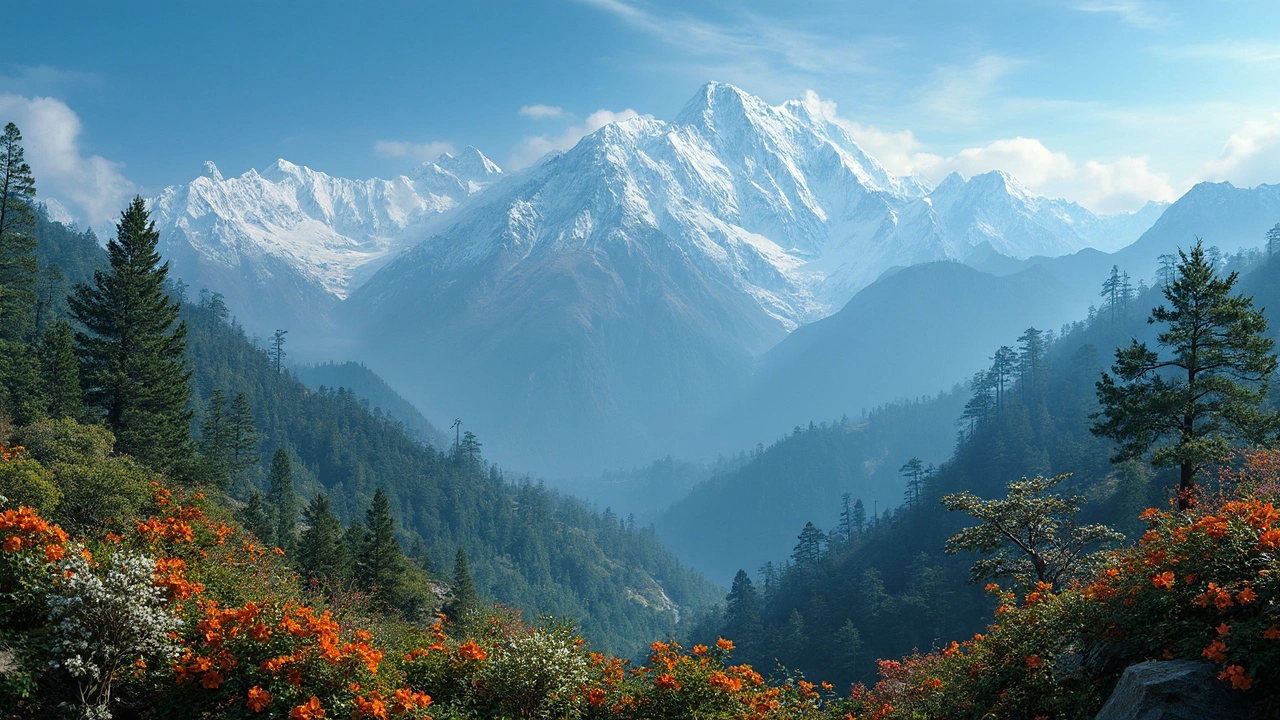
Unveiling India's Largest Natural World Heritage Site
India is home to some of the most magnificent natural world heritage sites. This article explores the largest among them, offering insights into its distinct features and the wildlife that inhabits it. You'll discover why it holds such importance and find tips on how to experience the site responsibly. Understanding the value of these sites is crucial for conservation efforts.