Historical Sites in India: Explore Ancient Temples, Caves, and Heritage Treasures
When you think of historical sites, physical places that preserve the memory of past civilizations through architecture, art, and ritual. Also known as heritage sites India, they’re not just ruins—they’re living spaces where prayers are still whispered, festivals still echo, and daily life continues just as it did centuries ago. India holds some of the oldest and most layered historical sites on Earth, where every stone has a story and every corridor carries the weight of time.
These historical sites aren’t just about grand palaces or crumbling forts. They include the Ajanta Caves, a series of 30 rock-cut Buddhist monuments dating back to the 2nd century BCE, painted with some of the finest surviving ancient murals in the world. This site is also recognized as India’s oldest UNESCO World Heritage Site, established in 1983 alongside the Taj Mahal and Ellora Caves. Then there are the temples, spiritual centers that doubled as political powerhouses, cultural hubs, and economic engines. The Kashi Vishwanath Temple in Varanasi, the Meenakshi Amman Temple in Madurai, and the Tirumala Venkateswara Temple in Tirupati aren’t just places of worship—they’re living museums where rituals unchanged for a thousand years still draw millions each year. These aren’t static exhibits. They’re active parts of Indian life, where the past isn’t locked away—it’s worn in the clothes of pilgrims, heard in the chants of priests, and felt in the rhythm of daily offerings.
What makes India’s historical sites different isn’t just their age—it’s their depth. You won’t find a single culture or empire behind them. You’ll find Mughal marble, Chola bronze, Gupta sculpture, Dravidian stonework, and Buddhist carvings all layered together, sometimes side by side. A traveler in Rajasthan might walk from a 12th-century stepwell to a 17th-century palace, then stop for chai at a stall built into a 400-year-old archway. In South India, you’ll see temples with towering gopurams covered in gods and demons, while in the north, you’ll find Mughal gardens where water flows just as it did when Shah Jahan designed them.
These places don’t just attract tourists—they shape how India sees itself. The most visited temple in the country, Tirupati, handles over 50 million pilgrims a year. The Ajanta Caves draw art historians and school kids alike. And in places like Hampi or Khajuraho, the ruins aren’t fenced off from life—they’re part of it. Children play cricket on ancient platforms. Elders sit in the shade of carved pillars, talking about things that haven’t changed in generations.
Whether you’re drawn to the quiet power of a cave temple, the grandeur of a royal fort, or the sheer density of sacred architecture in a single city like Varanasi, India’s historical sites offer more than a photo op. They offer connection—to the people who built them, the beliefs they honored, and the traditions that still breathe through them. Below, you’ll find real travel stories, practical tips, and deep dives into the places where India’s past isn’t just remembered—it’s lived.
Why Heritage Sites Matter in India
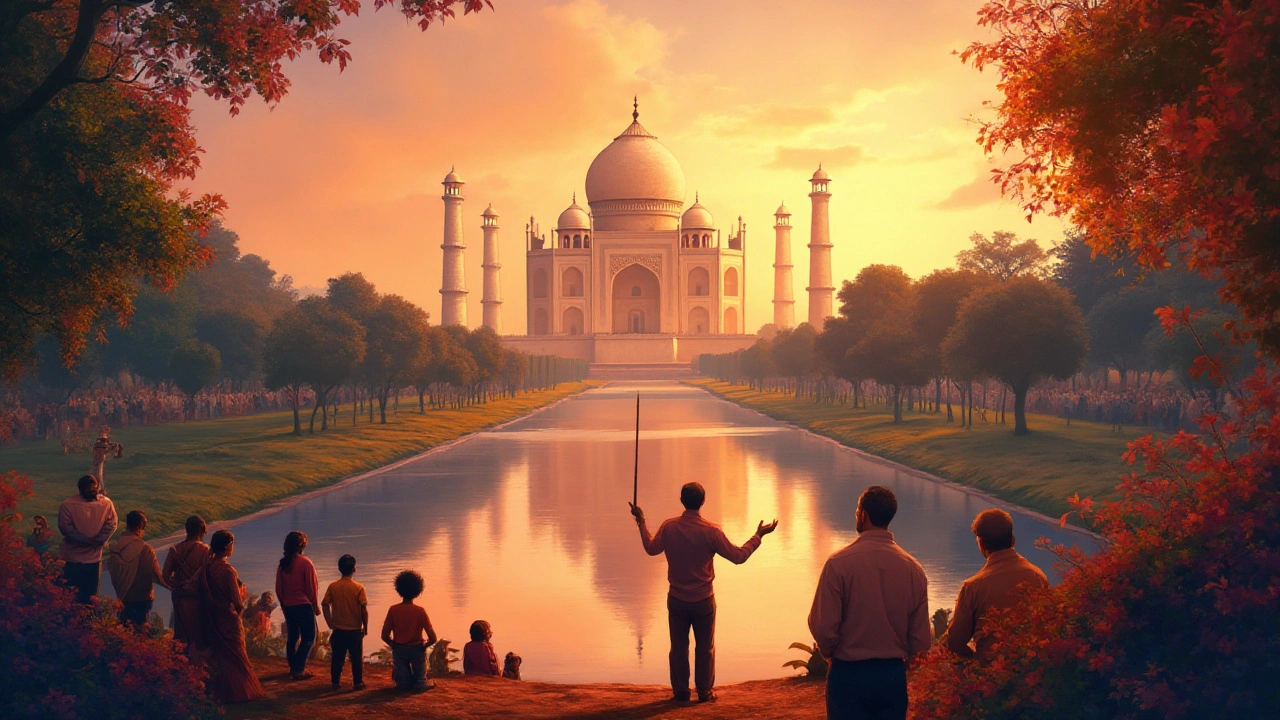
Heritage sites in India play a crucial role in preserving the nation's deep-rooted history, intricate culture, and diverse traditions. These sites, from the monumental Taj Mahal to the ancient forts of Rajasthan, serve not only as attractions but as repositories of stories and legacies. They help foster national pride and identity while contributing significantly to tourism and education. Understanding the value of these sites encourages both preservation efforts and a deeper appreciation of India's rich tapestry.