Hindu Pilgrimage: Sacred Journeys to India's Most Powerful Temples
When you think of Hindu pilgrimage, a deeply personal journey to sacred sites rooted in devotion, tradition, and ancient belief systems. Also known as tirtha yatra, it’s not just about visiting temples—it’s about crossing thresholds, both physical and spiritual, to connect with something older than time. This isn’t a vacation. It’s a walk taken barefoot, with offerings in hand, under sun and snow, from the roaring Ganges in Varanasi to the silent peaks of Kailash Mansarovar.
These pilgrimages center around a handful of sacred temples India, places where divine energy is believed to thicken, drawing millions each year. tirthas like Jagannath in Puri, Meenakshi in Madurai, Kashi Vishwanath in Varanasi, and the Golden Temple in Amritsar aren’t just buildings—they’re living centers of prayer, music, and community. People come not just to see, but to be seen by the divine. And the journey? Often just as important as the destination. Many walk hundreds of miles, sleep on temple floors, and fast for days. It’s not about comfort. It’s about surrender.
Then there’s the Kailash Mansarovar, the toughest pilgrimage on earth, a 52-kilometer circumambulation around a sacred mountain in Tibet, accessible only through India. Mount Kailash isn’t climbed—it’s circled. Those who do it say the air is thin, the path steep, and the silence deafening. It’s not for everyone. But for those who go, it changes them. You’ll find stories of travelers who came for adventure and left with peace. Others came broken and walked out whole.
Before you step into any temple, you’ll need to know the rules. Remove your shoes. Cover your head if you’re a woman. Don’t wear leather. Don’t point your feet at the deity. These aren’t arbitrary customs—they’re signs of respect, passed down for centuries. Even if you’re not Hindu, you’re entering a sacred space. The locals don’t expect you to know everything, but they notice when you try.
And the timing? Most pilgrims come during festivals—Shivaratri, Kumbh Mela, or Navaratri—when the whole country seems to move in rhythm. But quiet months, like late October to March, offer something else: space. Fewer crowds. More moments alone with the chants. More room to breathe.
What you’ll find in these posts isn’t a checklist of temples. It’s the real stuff—the smell of incense in Varanasi at dawn, the sound of bells echoing in Tamil Nadu, the way a grandmother gently guides her granddaughter to touch the temple stone. It’s how to travel safely, how to eat right, how to dress, and how to move through these spaces with humility. Whether you’re planning your first pilgrimage or just curious about why millions make this journey every year, what follows is a collection of honest, lived experiences—not tourist brochures, but stories from the path.
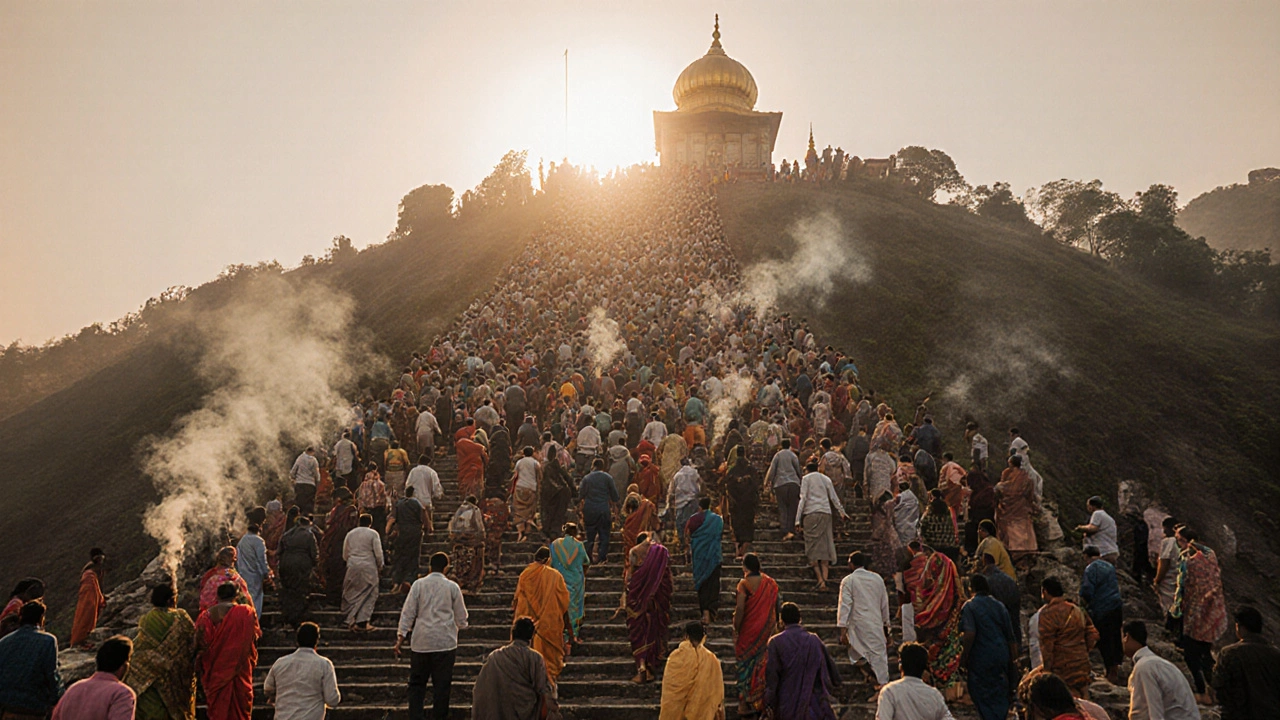
What Is the Most Visited Temple in India?
The Tirumala Venkateswara Temple in Tirupati is the most visited temple in India, welcoming over 50 million pilgrims each year. Known for its deep spiritual significance and massive daily crowds, it's a hub of faith, charity, and cultural tradition.
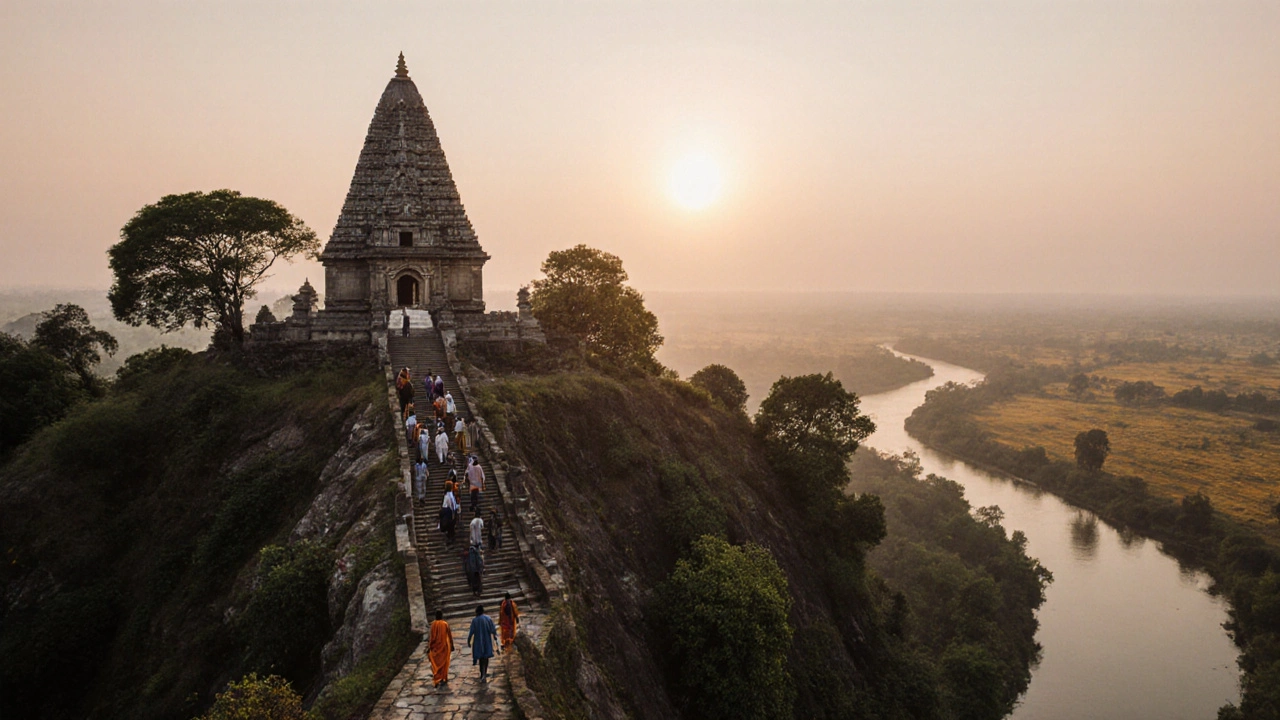
Mundeshwari Temple: India's 10,000‑Year‑Old Ancient Shrine
Discover the mystery of India's 10,000‑year‑old temple. Learn about Mundeshwari Temple’s legends, archaeology, architecture, travel tips, and how it compares to other ancient shrines.
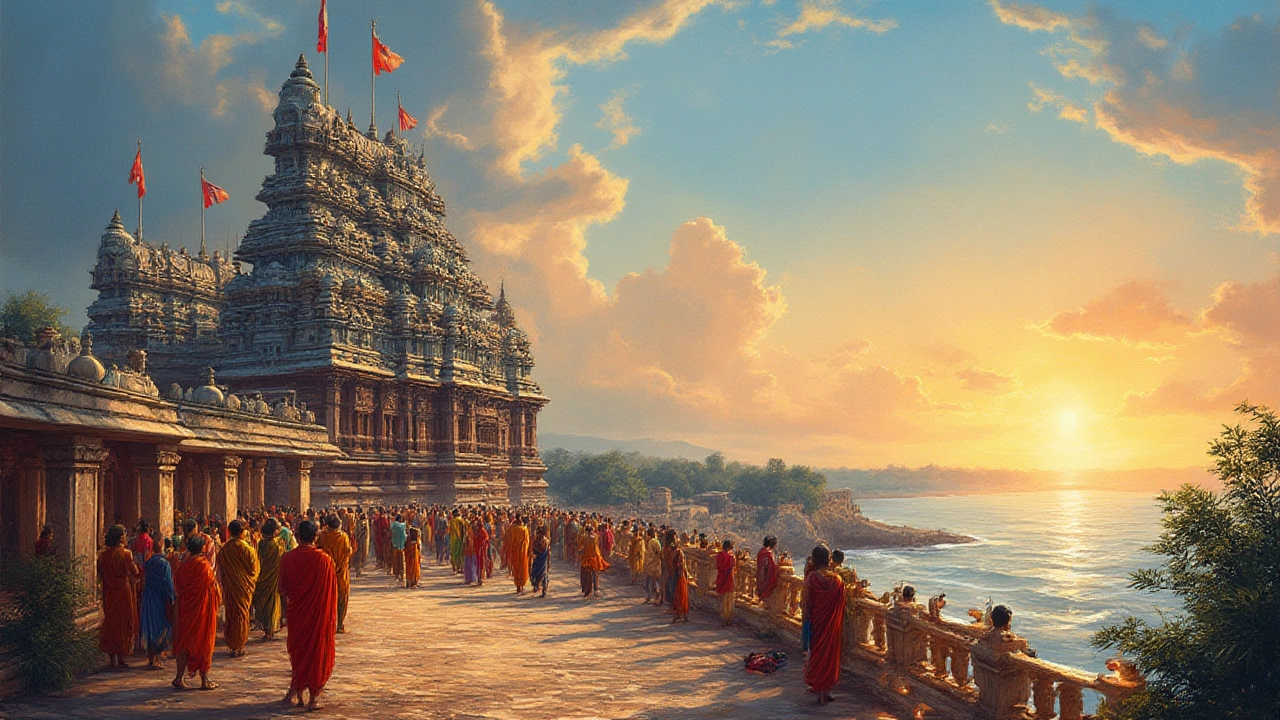
Is Rameshwaram a Dham or Jyotirlinga? Revealing the Sacred Status of Rameshwaram
Unravel whether Rameshwaram is a dham, a jyotirlinga, or both. Discover unique facts, legends, rituals, and practical tips for your sacred journey.