Heritage Travel in India: Explore Ancient Temples, Living Traditions, and Timeless Cultures
When you think of heritage travel, a journey focused on experiencing historical places, cultural practices, and living traditions rather than just sightseeing. Also known as cultural heritage travel, it’s not about ticking off monuments—it’s about feeling the pulse of centuries still alive in daily life. In India, heritage isn’t locked behind glass in museums. It’s in the chants at Varanasi’s ghats, the handwoven silk of Assam, the rhythm of drums in Chettinad’s mansions, and the smell of incense rising from a 1,200-year-old temple in Tamil Nadu.
Indian heritage, the cumulative legacy of thousands of years of religion, art, architecture, and community rituals across hundreds of ethnic groups doesn’t have a single face. It’s layered. North India gives you Mughal forts and Sufi shrines. South India offers Dravidian temples carved with gods and dancers. The East holds ancient Buddhist caves like Ajanta, while the West pulses with desert forts and Jain pilgrimage routes. heritage sites India, locations recognized for their historical, spiritual, or architectural significance, often tied to centuries-old community practices aren’t just places—they’re portals. Walk into the Tirumala Venkateswara Temple, where 50 million pilgrims come each year, and you’re not just seeing architecture—you’re standing in a living system of faith, charity, and tradition that hasn’t changed in centuries.
Heritage travel here doesn’t mean you need a history degree. It means slowing down. Taking a train through Kerala’s backwaters instead of flying. Sitting with a local artisan in Madurai who’s been carving temple idols since he was twelve. Eating dal and roti from a street vendor whose family has served the same recipe since before India’s independence. It’s about understanding that the most powerful heritage isn’t in grand ruins—it’s in the quiet, daily acts of preservation.
Some think heritage travel is only for older travelers or history buffs. But it’s for anyone who wants to feel something real. You don’t need to know the difference between Nagara and Dravida temple styles to be moved by the sound of bells at dawn in Bhubaneswar. You don’t need to study Mughal architecture to feel the weight of history walking through the Red Fort. What matters is showing up—with respect, curiosity, and an open heart.
Below, you’ll find real stories from people who’ve walked these paths. Whether it’s the best way to visit India’s most visited temple, what to wear before entering a sacred site, or which hidden towns still keep ancient crafts alive—every post here is a door. Step through them, and you won’t just see India’s past. You’ll feel it.
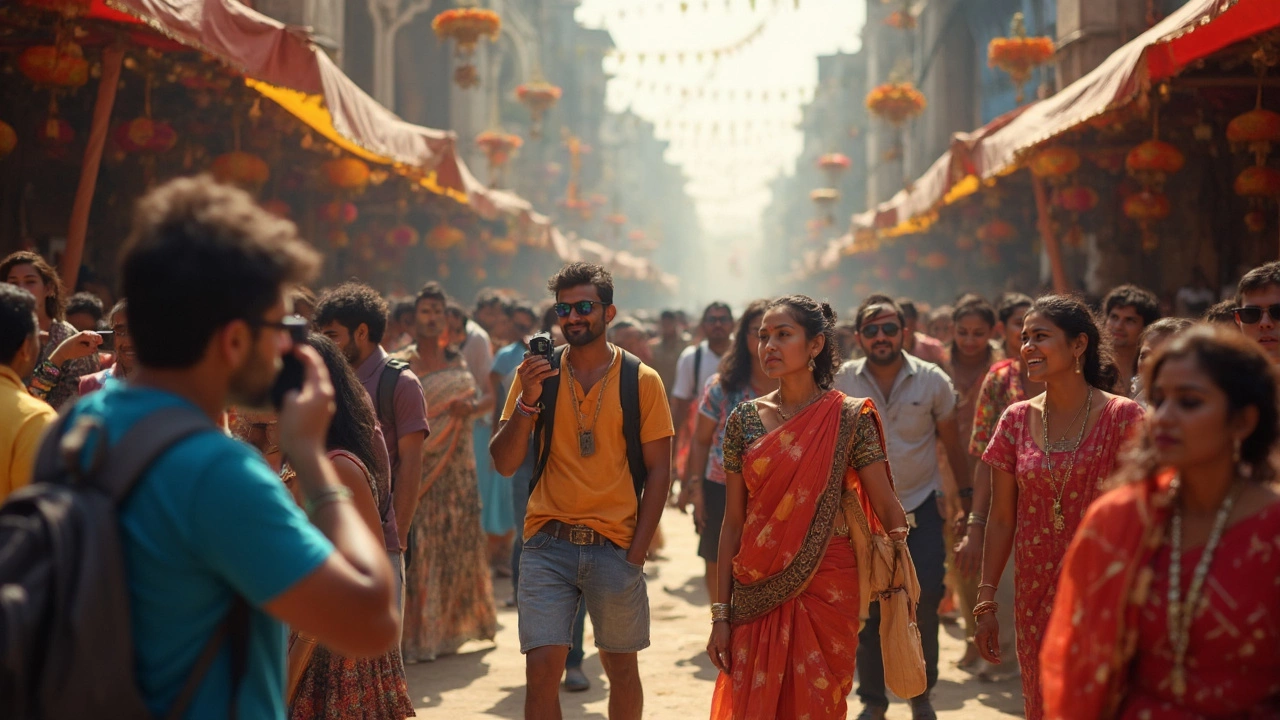
Cultural Tourist Types: Exploring the Two in India
Ever wondered what pulls people into the heart of India's traditions and landmarks? This article breaks down the two main types of cultural tourists you'll meet on Indian journeys. Get to know what motivates these travelers, how they experience culture, and what makes each type tick. Discover practical tips for making the most of your next cultural trip, whether you want the thrill of adventure or a deeper connection. India's not just a destination—it's a story best seen through both lenses.