Heritage Destinations in India: Where History Still Lives
When you think of heritage destinations, places where centuries of culture, faith, and craftsmanship are still alive and felt in everyday life. Also known as cultural heritage sites, these aren’t just museums with ropes and plaques—they’re living spaces where rituals continue, artisans still carve stone by hand, and morning prayers echo through corridors built a thousand years ago. India’s heritage destinations don’t sit quietly in the past. They breathe. They hum. They serve chai to pilgrims, teach weaving to granddaughters, and welcome tourists with the same quiet dignity they’ve shown for generations.
Look at Varanasi, a city where every alley leads to a temple and the Ganges carries prayers older than recorded history. Or Ajanta Caves, India’s oldest UNESCO World Heritage Site, where Buddhist monks once meditated in painted rock chambers now visited by travelers from every corner of the globe. Then there’s Tirumala Venkateswara Temple, the most visited temple on Earth, where over 50 million people come each year—not as tourists, but as devotees seeking something deeper than sightseeing. These aren’t random spots on a map. They’re anchors of identity, where culture isn’t preserved—it’s practiced.
What makes these places different from other tourist spots? It’s the people. In Chettinad, women still weave silk saris using looms their great-grandmothers used. In Madurai, temple priests chant the same hymns in Tamil that were spoken 800 years ago. In Leh, monks turn prayer wheels as snow falls on ancient monasteries. You won’t find this in a brochure. You feel it when you walk barefoot into a temple courtyard, when you watch a craftsman polish a brass lamp with oil and cloth, when you sit on a stone step and hear an old man tell a story about a king who ruled before your great-great-grandfather was born.
These heritage destinations aren’t just about architecture. They’re about continuity. They’re about how a society holds onto its soul while the world changes around it. That’s why you’ll find posts here about temple etiquette in South India, why you’ll read about the best way to travel slowly through Kerala’s backwaters, and why you’ll learn which cities have the densest concentration of temples. You’ll also find stories about the people behind the stones—the weavers, the priests, the cooks who serve prasad to thousands every day.
Some of these places are crowded. Others are quiet, waiting. Some require a long trek. Others are just a train ride away. But they all share one thing: they haven’t been cleaned up for tourists. They’ve been lived in. And that’s what makes them unforgettable.
Below, you’ll find real stories from travelers who’ve walked these paths, climbed these steps, and sat in these shadows. No fluff. No staged photos. Just the kind of details that help you understand—not just see—India’s living heritage.
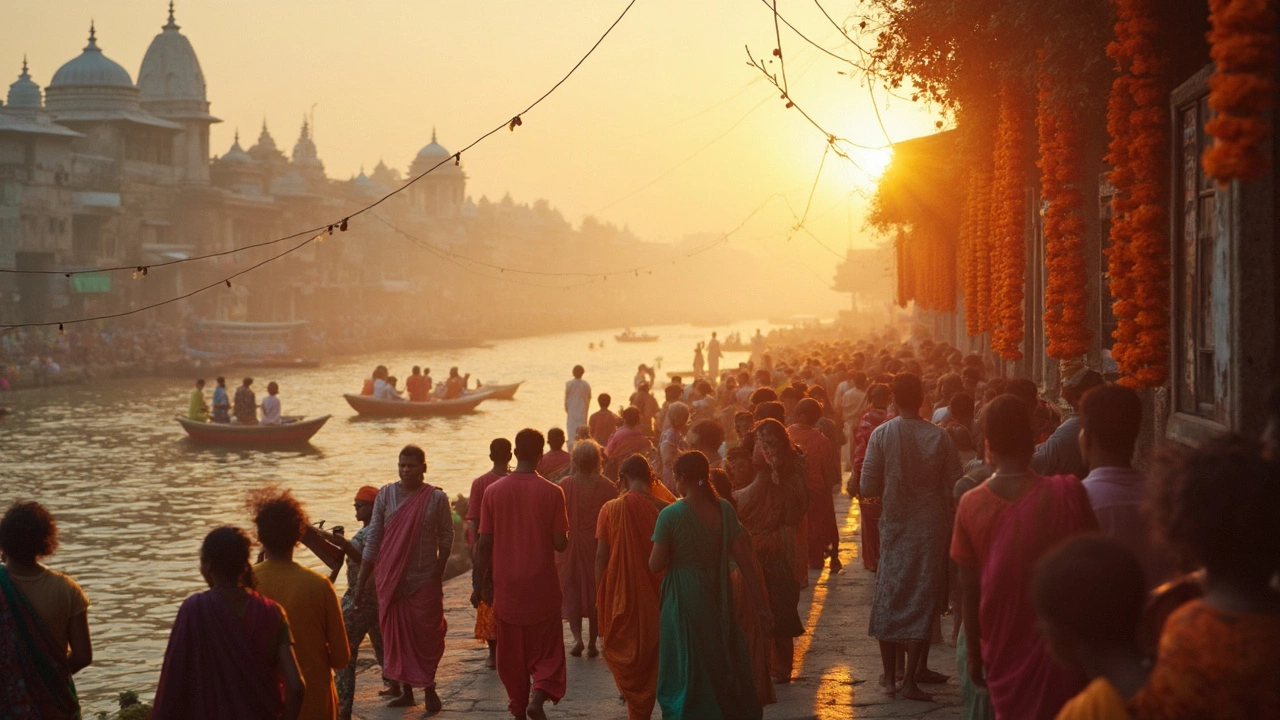
Cultural Tourism in India: Where Does It Really Thrive?
Looking for the real hot spots for cultural tourism in India? This guide dives right into where cultural tourism is booming, offering honest tips and interesting facts. It breaks down which cities and regions top the list and why. You’ll also get practical advice on what to see, when to go, and how to make the most of your trip. Expect info that helps you actually plan, not just daydream.