Göbekli Tepe: Ancient Site That Rewrote Human History
When you think of the first human temples, you probably imagine stone ruins from ancient Egypt or Mesopotamia. But the truth? The oldest temple on Earth isn’t in those places—it’s in modern-day Turkey, buried under dirt for millennia, and it’s older than Stonehenge by 6,000 years. This is Göbekli Tepe, a Neolithic archaeological site that predates agriculture and forced scientists to rethink how human civilization began. Also known as the world’s first temple complex, it’s not just an old ruin—it’s a revolution in human history.
Göbekli Tepe wasn’t built by farmers or kings. It was built by hunter-gatherers—people who didn’t yet know how to grow crops or live in towns. And yet, they carved massive T-shaped stone pillars, some weighing over 10 tons, and arranged them in circles with intricate carvings of animals: foxes, snakes, birds, and scorpions. These weren’t decorative. They were sacred. This means complex social organization, shared belief systems, and coordinated labor existed long before cities or writing. That’s the shocker: religion may have come before farming, not after. Think about that. People didn’t settle down to farm, then build temples. They built temples first, and that’s what pulled them together into communities that eventually became farming villages.
What makes Göbekli Tepe even stranger is that it was deliberately buried—not by war or disaster, but by the people who built it. Around 8,000 BCE, they covered the entire site with tons of soil and rubble. Why? No one knows for sure. Maybe it was a ritual. Maybe they were done with it. Or maybe they were trying to protect it. Either way, the act of burial kept it hidden for 11,000 years until German archaeologist Klaus Schmidt rediscovered it in the 1990s. Since then, it’s changed how we understand human development. It’s not just about stone and carvings—it’s about how belief shapes society.
What you’ll find in the posts below isn’t a list of travel tips for Göbekli Tepe—because it’s not in India. But you will find real stories about other ancient sites that challenge what we think we know. From the Ajanta Caves to the temple cities of South India, these places aren’t just relics. They’re proof that humans have always sought meaning beyond survival. And if you’ve ever wondered why people travel to ruins, why they kneel in front of old stones, or what binds cultures across time—Göbekli Tepe is the starting point. The rest? It’s all just echoes of that same urge, repeated across continents and millennia.
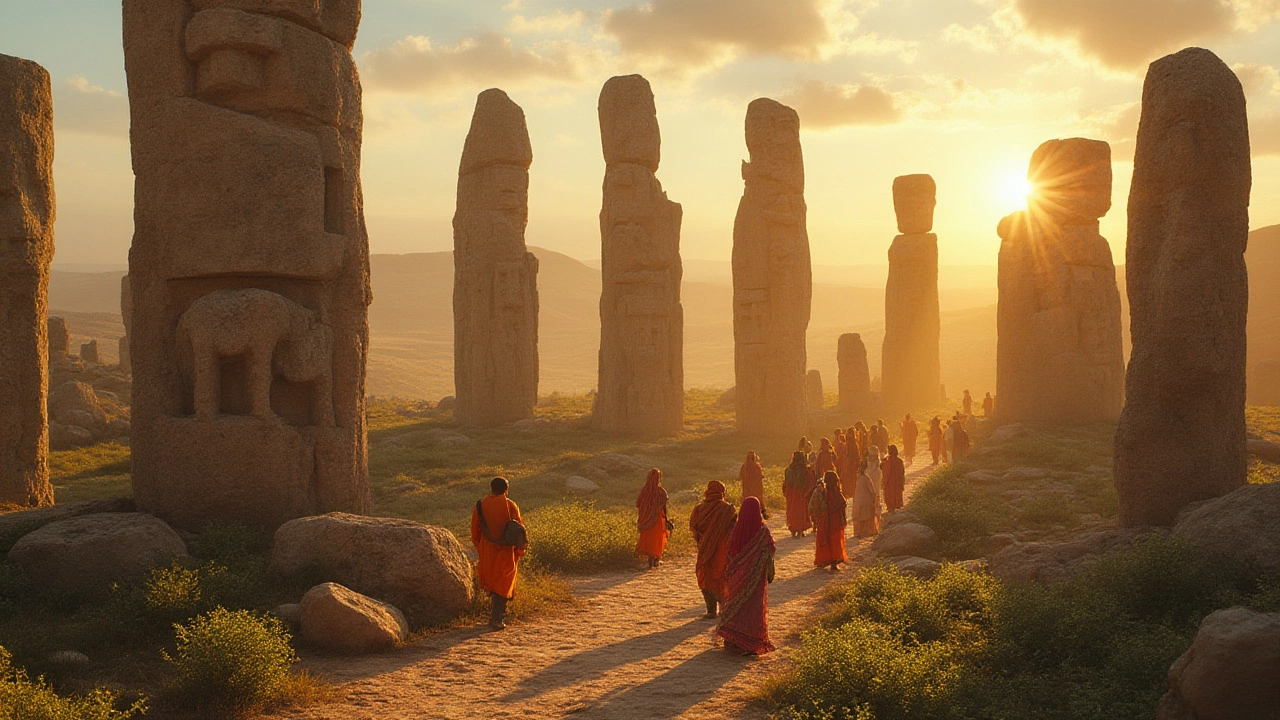
Oldest UNESCO Heritage Site in the World: Discover Göbekli Tepe and Humanity's Origins
Uncover the secrets of the world's oldest UNESCO heritage site, Göbekli Tepe. Learn its history, facts, and why it changes what we know about civilization.