GHT Trek: What It Is, Where It Is, and Why It Matters for Indian Hikers
When people talk about the Great Himalayan Trail, a long-distance hiking route stretching across the Himalayas from Nepal to India, often used by serious trekkers seeking remote, high-altitude challenges. Also known as the GHT trek, it’s not just a path—it’s a test of endurance, altitude tolerance, and cultural curiosity. Unlike short weekend hikes in Manali or Kuari Pass, the GHT trek is a multi-week journey that crosses some of the most isolated and breathtaking terrain on Earth. It doesn’t have a single start or end point; instead, it’s a network of trails that connect villages, monasteries, and mountain passes from the western edge of Himachal Pradesh all the way to Arunachal Pradesh in the east. If you’ve ever wondered what it feels like to walk for weeks through snow-dusted ridges with no cell service and only yaks for company, this is the trail that answers that question.
The GHT trek isn’t for everyone—and that’s the point. It requires serious preparation, acclimatization, and mental grit. You’ll be walking above 4,000 meters for days, crossing passes like the Kang La and the Nangpa La, where oxygen is thin and weather shifts in minutes. This isn’t the same as the Kailash Mansarovar trek, which is a pilgrimage with fixed routes and support systems. The GHT trek is wilder, less marked, and more self-reliant. You’ll need to carry your own gear, plan your food drops, and navigate using maps and local guidance. That’s why it’s often compared to the hardest hikes in India—not because it’s the steepest, but because it’s the most unpredictable. And that’s what draws experienced trekkers back again and again.
What makes the GHT trek stand out isn’t just the altitude or the distance—it’s the people. You’ll pass through villages where Tibetan Buddhism still shapes daily life, where children wave from stone houses with prayer flags fluttering above them, and where tea is served with butter and salt in clay cups. You’ll see how local communities depend on tourism, not just for income, but for survival. This trail connects cultures as much as it connects peaks. And if you’ve read about trekking in India and wondered why some routes feel more real than others, the answer is here: the GHT trek doesn’t just show you mountains—it shows you how people live among them.
Looking at the posts here, you’ll find stories about beginner treks like Kuari Pass, extreme challenges like Kailash Mansarovar, and the best places to hike in India. The GHT trek sits at the top of that pyramid—not because it’s the most popular, but because it’s the most complete. It’s where the lessons from all those other hikes come together: navigation, altitude, local customs, gear choices, and resilience. Whether you’re planning to do the full trail or just a section, what you’ll find below are real experiences from people who’ve walked it, survived it, and come back changed.
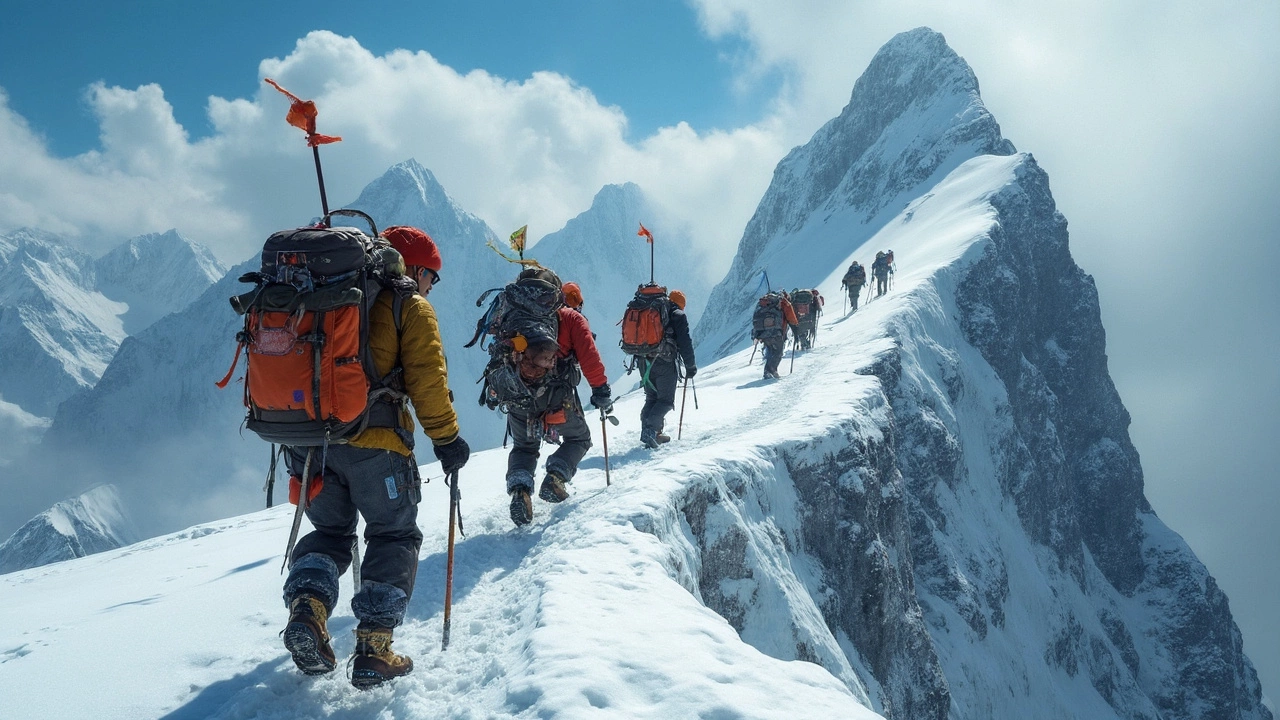
Toughest Trek in India: Which Challenge Stands Above the Rest?
Curious about the hardest trek in India? This article unpacks what makes a trek truly tough, revealing the most challenging route and why it stands out. Expect real stories, insider tips, and facts that hikers rarely share. Whether you’re planning your first big trek or want something extreme, you’ll find out exactly what it takes (and risks) to conquer India’s ultimate trekking challenge.