Cultural Preservation in India: Protecting Heritage Through Travel
When we talk about cultural preservation, the active effort to protect and sustain traditional practices, languages, crafts, and sacred spaces across generations. Also known as heritage conservation, it’s not about locking history behind glass—it’s about keeping it alive in the hands of the people who live it. In India, this isn’t a policy paper. It’s a temple priest chanting at dawn in Varanasi. It’s a weaver in Kanchipuram threading gold into silk. It’s a grandmother teaching her granddaughter to make pickles the way her mother did.
True cultural preservation happens where tourism doesn’t erase, but respects. It’s in the heritage sites India that still hum with daily worship, not just photo ops—like the temple tourism India hubs of Madurai and Bhubaneswar, where rituals haven’t been turned into performances. It’s in the traditional crafts India villages of Chettinad and Assam, where artisans still use century-old tools because their skills are worth more than mass production. These aren’t tourist attractions—they’re living systems, and they need travelers who show up with curiosity, not just cameras.
Why does this matter? Because when you buy a handwoven shawl directly from the weaver in Manipur, you’re not just getting a souvenir—you’re keeping a 300-year-old technique alive. When you skip the plastic-wrapped snacks at a temple and eat the fresh roti sold by the family who’s been making it for five generations, you’re supporting a cycle of knowledge that no textbook can teach. Cultural preservation isn’t about saving relics. It’s about making sure the people who carry them don’t have to choose between tradition and survival.
What you’ll find below are real stories from the front lines of this work—how travelers are helping protect ancient temples, reviving dying crafts, and choosing journeys that give back more than they take. These aren’t generic guides. They’re records of what happens when people travel with purpose.
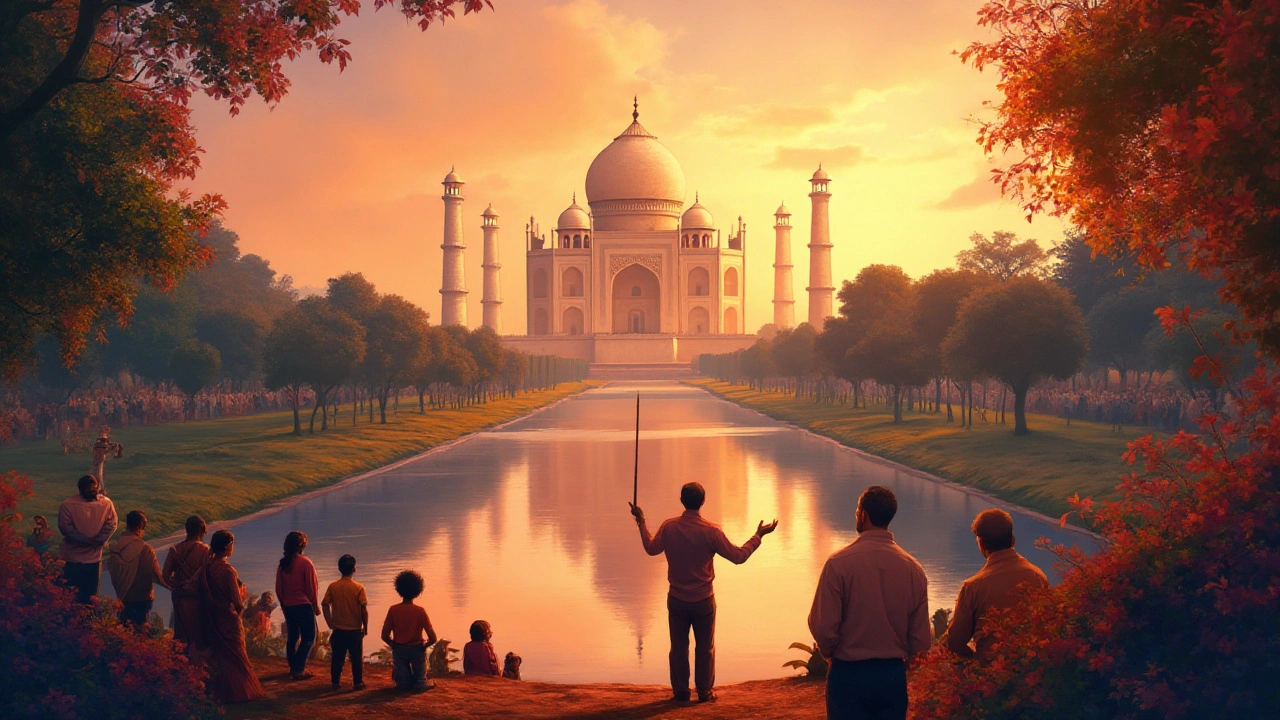
Why Heritage Sites Matter in India
Heritage sites in India play a crucial role in preserving the nation's deep-rooted history, intricate culture, and diverse traditions. These sites, from the monumental Taj Mahal to the ancient forts of Rajasthan, serve not only as attractions but as repositories of stories and legacies. They help foster national pride and identity while contributing significantly to tourism and education. Understanding the value of these sites encourages both preservation efforts and a deeper appreciation of India's rich tapestry.