Costs in India: What You Really Need to Know Before You Go
When people ask costs in India, the total amount of money needed to travel through the country, including food, transport, lodging, and activities. Also known as India travel expenses, it’s not about how cheap it is—it’s about how far your money stretches. A dollar doesn’t just buy you a snack; it can cover a rickshaw ride, a plate of dal rice, or a night in a basic guesthouse. But here’s the thing: costs in India vary wildly depending on where you are, what you’re doing, and how you’re traveling. You can spend $5 a day in a small town or $500 in a luxury resort—and both are perfectly valid choices.
Most travelers care about three things: food, transport, and lodging. A hot meal at a busy street stall? Around ₹80–₹150 ($1–$2). A local train ride across a city? ₹20–₹50 (less than 30 cents). A clean, simple room in a guesthouse? ₹600–₹1,200 ($7–$15) a night. These aren’t guesses—they’re what people actually pay. And if you’re trekking, like on Kuari Pass or in Manali, you’ll need to budget for guides, gear rentals, and permits. A multi-day trek can cost anywhere from ₹3,000 to ₹10,000 ($35–$120), depending on whether you go solo or book a group. Meanwhile, a temple visit in Varanasi or Tirupati? Free. But donations? That’s up to you. Some pilgrims give ₹100. Others give ₹10,000. There’s no rule.
Transport is where people get surprised. A flight from Delhi to Goa? From ₹4,000 ($50) if you book early. A private driver for a full day in Rajasthan? ₹2,500–₹4,000 ($30–$50), including fuel and parking. A sleeper train from Mumbai to Delhi? ₹1,200–₹2,500 ($15–$30) for a clean, air-conditioned berth. And don’t forget that ₹100 can buy you a 10-kilometer auto ride in most cities—just agree on the price before you get in. USD to INR, the exchange rate between the US dollar and the Indian rupee, which directly affects how much travelers can afford. Also known as foreign exchange rate in India, it’s the silent calculator behind every purchase you make. Right now, $1 equals about ₹83, but that number shifts. What matters is knowing what things cost locally, not what they cost in your home currency.
And then there’s the hidden cost: time. Rushing through India defeats the point. Slow travel saves money—staying an extra day in a place means you skip a flight, eat cheaper meals, and find better deals. A budget traveler who moves slow can easily spend under ₹2,000 ($25) a day and still eat well, see temples, and ride trains. A luxury traveler might spend 10 times that and still feel like they’re getting value. Neither is wrong. It’s about what you want.
What you’ll find below are real stories from real travelers who’ve asked the same questions: How much should I bring? Where can I cut costs? What’s actually worth paying for? From what $1 buys in a village market to how much a private boat ride in Kerala costs, these posts break down the numbers without the fluff. No vague advice. No marketing spin. Just what you need to plan your trip without stress—or surprise bills.
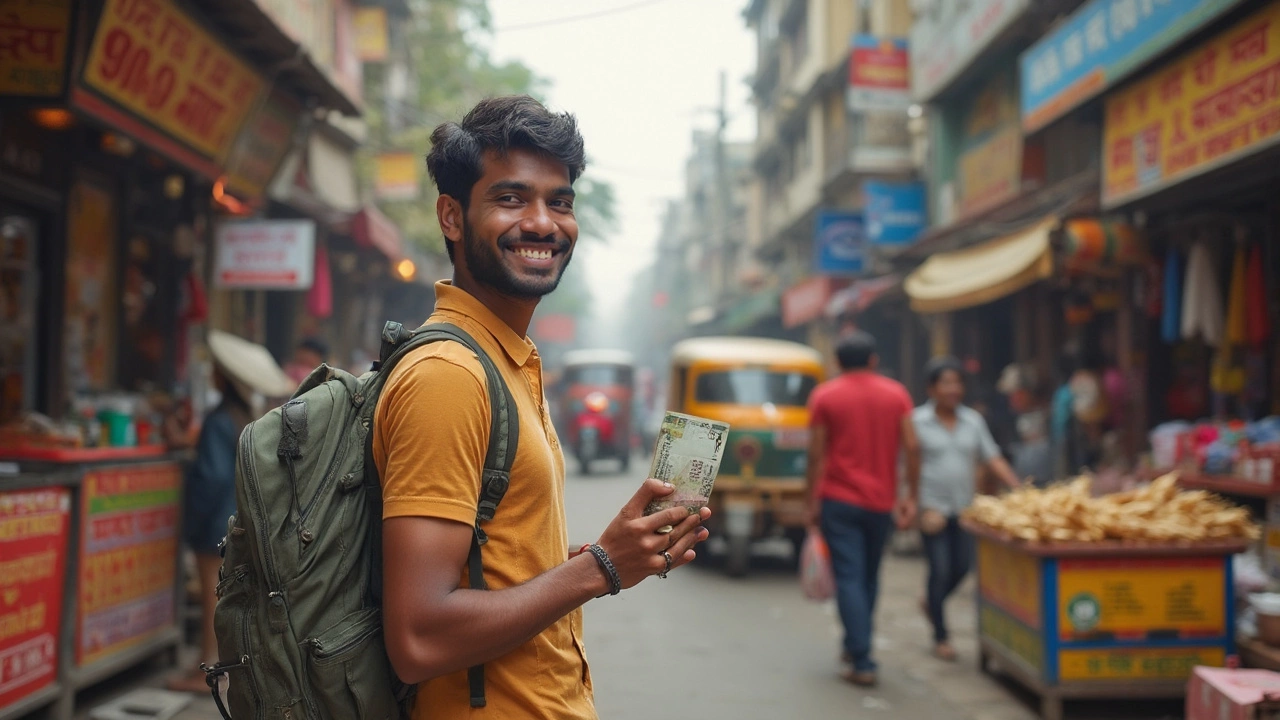
Is 500 Rupees a Lot in India? Real Costs for Budget Travelers
Curious if 500 rupees can take you far in India? Find out how much you can do, eat, and see on a tight budget in cities and small towns. This guide gives practical examples, smart budgeting tips, and real prices for common needs. See how the cost of living plays out for travelers in 2025, including hidden fees and simple saving hacks. Learn exactly where your rupees stretch, and how to spot the best deals along the way.