Biryani vs Khichdi: India's Comfort Food Divide
When you think of biryani, a layered, aromatic rice dish cooked with spices, meat, and saffron, often served at celebrations, you imagine a feast—spicy, fragrant, and grand. On the other side of the table sits khichdi, a humble one-pot meal of rice and lentils, cooked with turmeric and ghee, often eaten when sick or during quiet family meals. These aren’t just recipes—they’re cultural signals. Biryani shouts celebration. Khichdi whispers comfort. Together, they tell the story of India’s food duality: one side bold and layered, the other gentle and grounding.
Where biryani comes from the kitchens of Mughal courts and wedding halls in Delhi, Lucknow, and Hyderabad, khichdi is the daily staple in homes from Gujarat to Tamil Nadu. It’s what your grandmother made when you had a stomachache. It’s what monks eat during fasting. It’s what families eat during Diwali cleanup, when the kitchen is tired but the hunger isn’t. You won’t find khichdi on a five-star menu unless it’s being reimagined—but you’ll find it in every Indian household, every single day. Biryani needs time, money, and guests. Khichdi needs rice, lentils, and a stove. One is a statement. The other is survival—and love.
And that’s why you’ll see both on this site. The posts here don’t just list dishes—they show how food ties to place, mood, and identity. You’ll read about how biryani variations differ from Hyderabad to Kolkata, and how khichdi turns into pongal in Tamil Nadu or kitchari in Ayurvedic clinics. You’ll learn why Americans choose tandoori chicken over raw salads, and why temple pilgrims eat khichdi before entering sacred spaces. These aren’t random food stories—they’re real, lived experiences tied to the rhythm of Indian life. Whether you’re planning a trip, trying to eat safely, or just curious why India’s food feels so personal, this collection gives you the truth behind the steam.
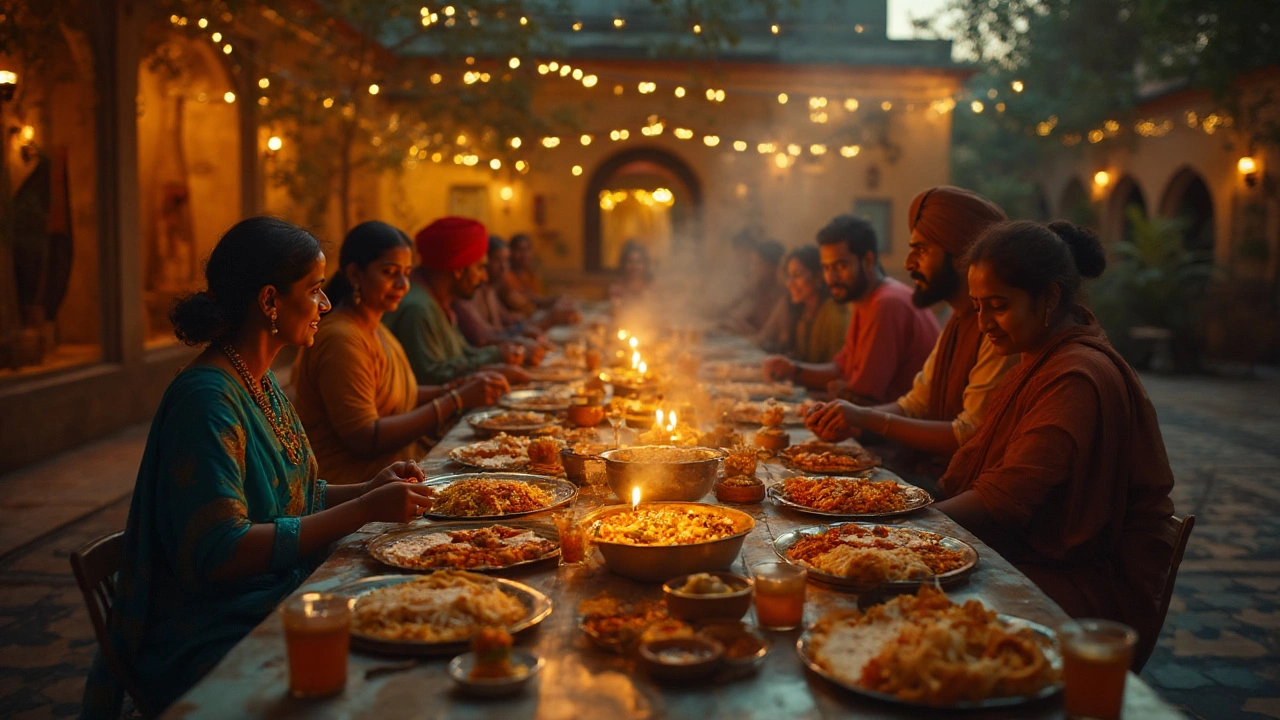
What Is India’s National Dish? Official Answer, Top Contenders, and Where to Try Them
Does India have a national dish? Short answer: no. Get the official stance, top contenders like biryani and dosa, and smart ways to taste India’s food culture.