Ancient Indian Temple: Discover the Soul of India’s Spiritual Heritage
When you think of an ancient Indian temple, a sacred structure built over centuries to honor deities, embody cosmic order, and serve as a bridge between earth and the divine. Also known as Vedic temple, it isn’t just a place of worship—it’s a living archive of India’s spiritual, artistic, and social soul. These aren’t ruins frozen in time. They’re active centers where chants echo, bells ring, and pilgrims walk barefoot in devotion. From the towering gopurams, ornate gateway towers that mark the entrance to South Indian temple complexes of Madurai to the intricate carvings of Khajuraho, each temple tells a story carved in stone, painted in color, and breathed into life by generations of worshippers.
What makes an ancient Indian temple different from any other religious site? It’s the way architecture follows cosmology. The layout isn’t random—it mirrors the universe. The central shrine, or garbhagriha, holds the deity like the heart of a body. The outer halls, or mandapas, are where community gathers. The walls? Covered in stories from the epics, not just decoration, but teaching tools for those who couldn’t read. And then there’s the sound—the clang of the bell, the hum of mantras, the rustle of silk saris. These temples don’t just house religion; they perform it. They’re tied to rituals that haven’t changed in a thousand years, from the daily abhishekam (ritual bathing of the idol) to the grand festivals like the Kumbh Mela, where millions gather at riverbanks near temples like Varanasi’s Kashi Vishwanath.
These sites aren’t just for Hindus. Travelers from every corner of the world come to feel their energy. The Golden Temple, the holiest shrine in Sikhism, located in Amritsar, known for its floating golden dome and free community kitchen serving thousands daily welcomes all, regardless of faith. The Meenakshi Amman Temple, a sprawling complex in Madurai with 33,000 sculptures and a history stretching back over 1,300 years draws crowds not just for prayer, but for the sheer wonder of its art. Even the quietest temple, tucked away in the hills of Tamil Nadu or Odisha, holds secrets in its carvings—dancers mid-movement, gods riding elephants, serpents coiled around pillars. These aren’t relics. They’re conversations between the past and the present.
Visiting one isn’t just sightseeing. It’s learning how to behave—removing shoes, dressing modestly, not pointing your feet at the idol, avoiding leather. These aren’t rules to annoy tourists; they’re signs of respect for a space where the divine is believed to dwell. And if you’ve ever wondered why so many temples sit near rivers or mountains, it’s because they’re built where nature and spirit meet—where water purifies, and peaks touch the sky. That’s why places like Tirupati, Puri, and Rameswaram draw over 50 million pilgrims a year. They’re not just destinations. They’re destinations of the soul.
What you’ll find below are real stories from people who’ve walked these halls, climbed these steps, and felt the weight of centuries in a single breath. Whether you’re planning your first temple tour or just curious about what makes these places so powerful, the posts here give you the practical, the personal, and the profound—no fluff, no myths, just what you need to know before you go.
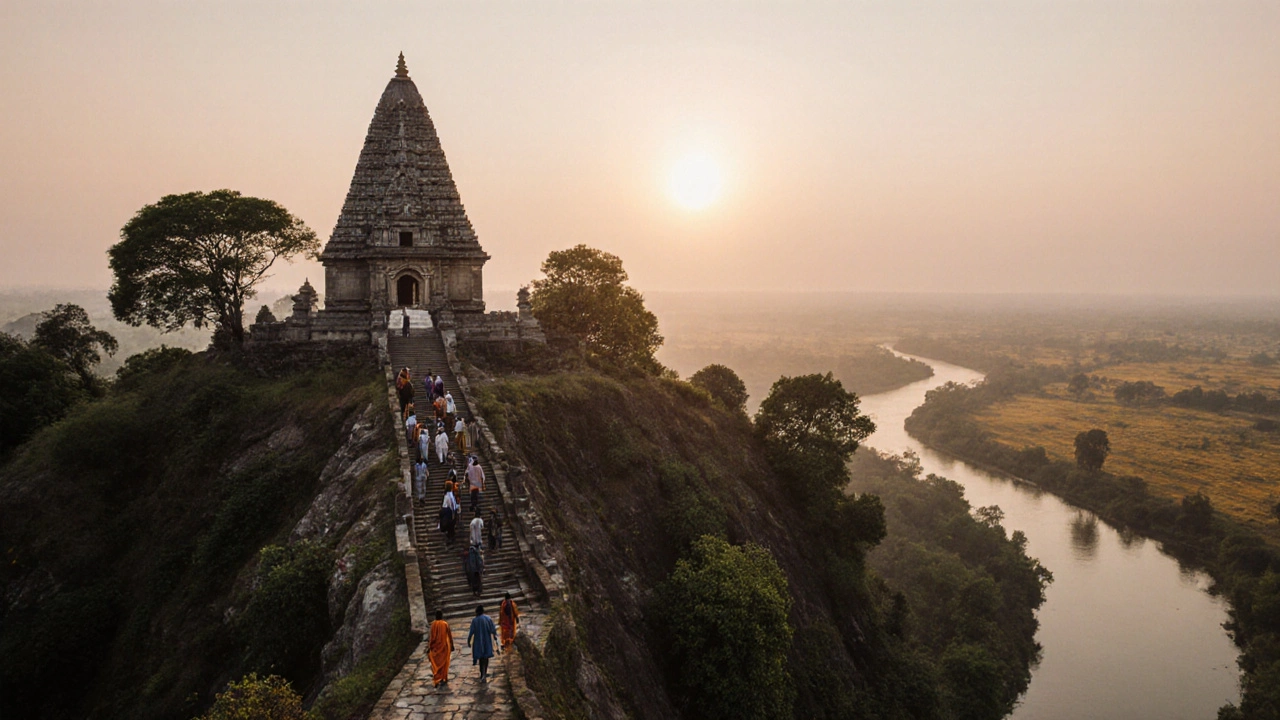
Mundeshwari Temple: India's 10,000‑Year‑Old Ancient Shrine
Discover the mystery of India's 10,000‑year‑old temple. Learn about Mundeshwari Temple’s legends, archaeology, architecture, travel tips, and how it compares to other ancient shrines.