Ajanta Caves: Ancient Art, Spiritual History, and India’s Hidden Masterpieces
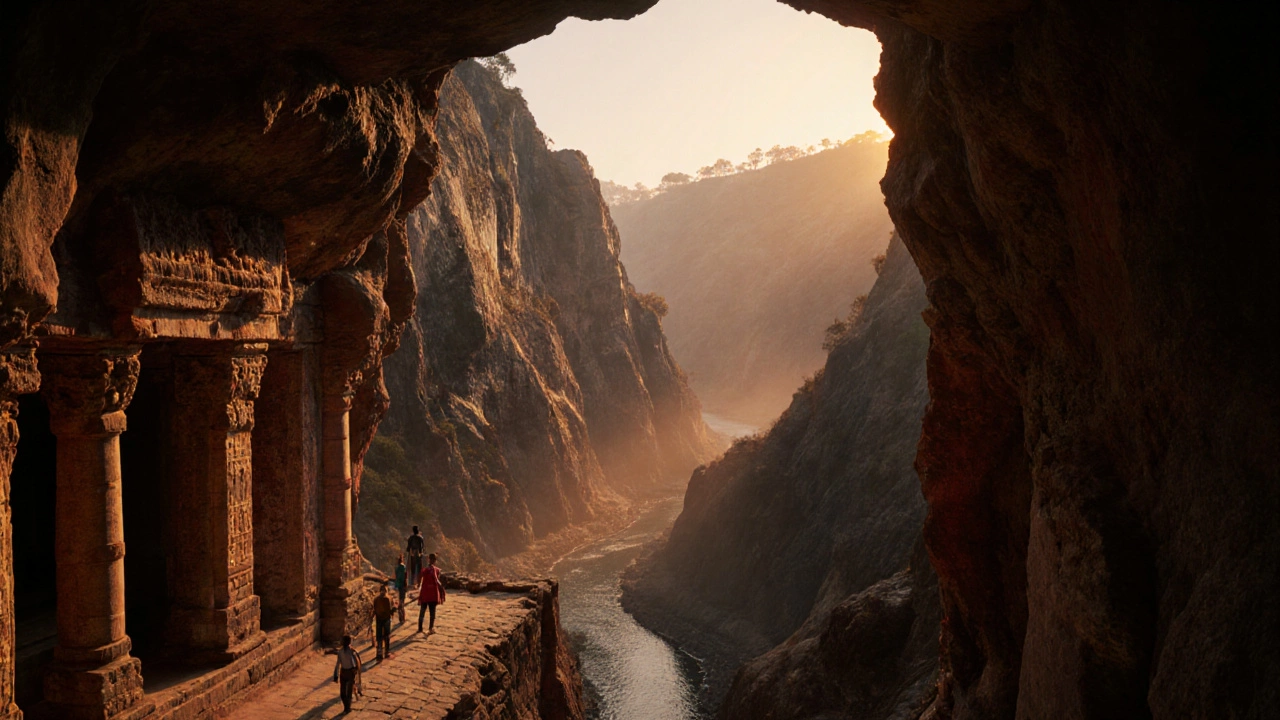
When you think of Ajanta Caves, a cluster of 30 rock-cut Buddhist cave monuments in Maharashtra, India, dating from the 2nd century BCE to 6th century CE. Also known as Ajanta Rock Cut Temples, they are among the finest surviving examples of ancient Indian art and spiritual devotion. These aren’t just old caves—they’re open-air museums carved into a horseshoe-shaped cliff, where monks once lived, meditated, and painted stories of the Buddha’s life in vivid colors that still glow after 2,000 years.
The Buddhist rock art, the intricate wall paintings and sculptures found in the Ajanta Caves, depicting Jataka tales and celestial beings here are unlike anything else in India. While the ancient Indian temples, sacred structures built for worship, often made of stone or brick, like those in Khajuraho or Konark shine with carved deities and towering spires, Ajanta’s power comes from quiet intimacy. The murals show real people—kings, dancers, merchants, monks—moving through lush forests and palaces, not just gods on pedestals. This isn’t religious propaganda; it’s human storytelling preserved in pigment and stone.
What makes Ajanta special isn’t just its age—it’s how it survived. Hidden for centuries in dense jungle, forgotten even by locals, the caves were rediscovered in 1819 by a British officer on a tiger hunt. Unlike the crowded temples of Varanasi or Tirupati, Ajanta offers solitude. You walk through dim corridors, lit only by natural light filtering through the entrance, and suddenly, a wall explodes with color: a bodhisattva smiling, elephants carrying royalty, a woman weaving silk. These images were painted with natural pigments—ochre, lapis lazuli, charcoal—and they’ve held up because the caves stayed sealed, untouched by war, weather, or time.
Visiting Ajanta isn’t like touring a museum. You climb steep steps, feel the cool stone under your fingers, and realize you’re standing where monks once chanted. The cave temples India, rock-cut religious structures carved directly into mountainsides, often used for meditation and worship here include prayer halls, monasteries, and shrines—all carved by hand from solid basalt. No bricks. No mortar. Just skill, patience, and devotion.
There’s no single reason why Ajanta matters. It’s the blend of art, history, and silence that stays with you. It’s the fact that these paintings influenced artists from Japan to Europe. It’s that you can still see the brushstrokes of the original artists, their fingerprints in the paint. And it’s that, unlike most Indian heritage sites, Ajanta doesn’t shout. It whispers—and if you listen, it tells you everything about how deeply spirituality and art were woven into everyday life in ancient India.
Below, you’ll find real stories from travelers who’ve stood in those caves, seen the murals up close, and walked away changed. Whether you’re planning a trip, researching history, or just curious about India’s soul, these posts will show you what Ajanta really means—not as a postcard, but as a living echo of the past.
India’s Oldest UNESCO World Heritage Site: The Ajanta Caves Explained
Discover why Ajanta Caves hold the title of India's oldest UNESCO World Heritage Site, explore its history, compare it with other 1983 sites, and get practical travel tips.