Conservation in India: Protecting Heritage, Wildlife, and Traditions
When we talk about conservation in India, the effort to protect natural ecosystems, cultural landmarks, and living traditions from erosion and exploitation. Also known as preservation, it’s not just about stopping destruction—it’s about keeping alive what makes India irreplaceable. This isn’t a government-only job. It’s something every traveler can help with—by choosing where to go, how to behave, and what to support.
Look at the cultural heritage, the living customs, crafts, rituals, and sacred spaces passed down through generations. Also known as intangible heritage, it’s what you see when a weaver in Chettinad spins silk the same way her grandmother did, or when priests in Varanasi chant Sanskrit hymns at dawn. These aren’t museum pieces. They’re active, breathing traditions—and they’re fading fast because tourism often ignores them, or worse, turns them into photo ops. Meanwhile, wildlife conservation, the protection of India’s endangered species like tigers, elephants, and snow leopards. Also known as biodiversity preservation, it’s the reason parks like Ranthambore and Jim Corbett still have tigers left. These animals don’t survive because of signs. They survive because people care enough to pay for responsible tours, hire local guides, and avoid plastic.
And then there’s sustainable travel, a way of exploring that gives back more than it takes—supporting local economies, respecting sacred rules, and leaving no trace. Also known as responsible tourism, it’s what happens when you stay in a family-run homestay near the backwaters of Kerala instead of a chain resort, or when you skip the plastic water bottle and refill at a temple’s free drinking station. This isn’t about guilt. It’s about smart choices. You don’t need to be an activist to make a difference. Just don’t climb on temple carvings. Don’t feed monkeys. Don’t buy ivory trinkets. Don’t ignore the sign that says "no shoes inside." These small acts add up.
What you’ll find in these posts isn’t a lecture on saving the planet. It’s real stories from real places—the temple where pilgrims now carry their own water to reduce plastic waste, the trekking route that funds forest patrols, the village where tourists help revive handloom weaving by buying directly from artisans. This is conservation in action—not slogans, not posters, but daily choices that keep India’s soul alive. And you’re part of it, whether you realize it or not.

Are Animals Really Safe in Wildlife Sanctuaries?
Wildlife sanctuaries are often seen as safe havens for animals, but are they truly secure? These protected areas aim to provide a refuge for various species, offering them a chance to thrive away from human threats. However, challenges like poaching, habitat destruction, and limited resources question their effectiveness. This article explores whether sanctuaries genuinely protect animals or if there are underlying risks that need addressing.

Understanding the Purpose of Wildlife Sanctuaries
Wildlife sanctuaries play a crucial role in protecting animals and their habitats. These safe havens provide shelter and care for endangered species and help raise awareness about conservation. Sanctuaries also support research and education while promoting sustainable tourism. They are vital for preserving biodiversity in our increasingly urbanized world.
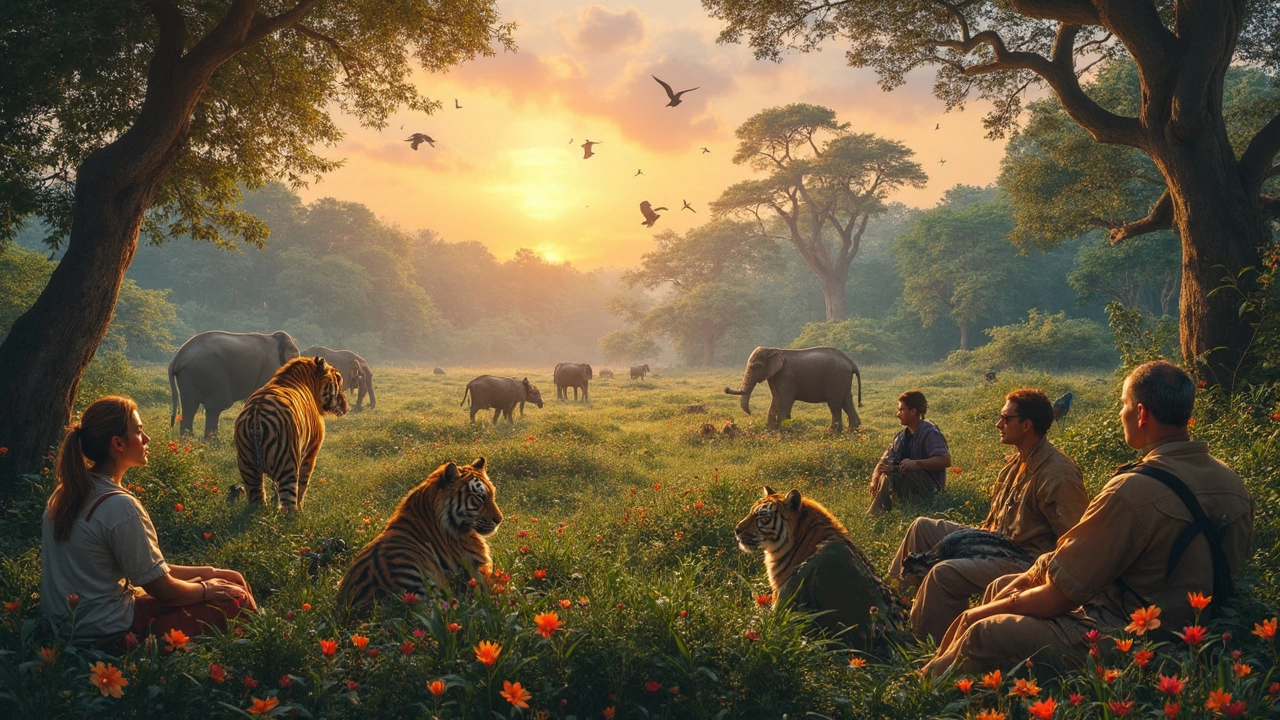
Are Wildlife Sanctuaries Truly Ethical?
Wildlife sanctuaries are often seen as havens for animals, but are they always ethical? This article explores the complexities around their impact on conservation and animal welfare. It delves into the pros and cons of sanctuaries, considering factors like natural habitats and captive environments. Learn about the ethical dilemmas these refuges face and what questions to ask to determine their true intentions. Ultimately, we examine whether sanctuaries strike a fair balance between human interests and animal well-being.